
RHA welcomes new late payment laws
 The Road Haulage Association has welcomed government plans to implement a law in April 2016 which will oblige large businesses with more than 250 employees to publicise their payment practices and performance information.
While exact details of reporting requirements are still to be confirmed, it was suggested by the government prior to the election that they would include: standard payment terms; the average time taken to pay; the proportion of invoices paid beyond agreed terms; and the amount of late payment interest owed and paid.
The new business secretary, Sajid Javid, recently spoke of his intention to crack down on what he called the ‘bullying’ of small businesses by larger customers.
In a speech in Bristol, Mr Javid said: “There’s a situation familiar to small business owners up and down the country. A letter turns up from a larger customer changing payment terms, or charging them to remain a supplier – and in some cases even deducting that charge on the spot against payment owed.
“This pattern of behaviour is an outrage. It’s bullying – pure and simple.”
He added: “The average amount owed to a small business is more than £30,000… It’s enough to force a company into insolvency. We’ve not been blind to these issues. During the last parliament, we introduced legislation requiring the UK’s largest companies to report on their payment practices.
“That’s going to shine a light on poor performance when it comes into effect next April.”
In a response to a consultation on late payments last year, the RHA told the Department for Business, Innovation and Skills that: “The haulage industry is highly competitive, often with an oversupply of providers of services, and with contract prices agreed on fairly low margins.
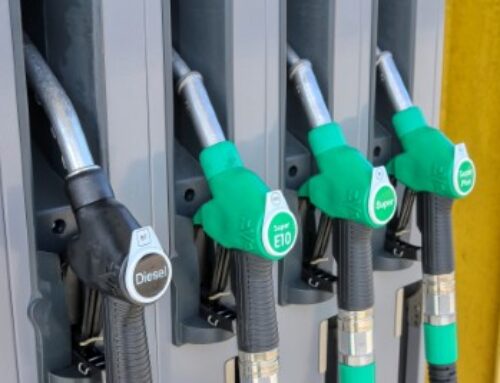
“Road haulage is particularly affected by late payment because freight operators cannot run their trucks without paying first for expensive diesel, and so cash flow is a huge issue in the sector.
“The structure of the industry means that many operators that are otherwise viable may be pushed into insolvency if customers delay payment for significant periods because the haulier faces problems funding fuel and truck maintenance costs… In the worst cases, late payment can lead to insolvency of the supplier.”
It supported the suggestion that larger businesses should report their prompt payment performance, thereby allowing smaller suppliers to gauge the risks of entering into a contract – and said the government should work to engage and promote a culture of paying on time..
In a campaign bulletin, the RHA said it would: “continue to press for action on late payment of suppliers.”