
Extending DPF life with BG Products
 BG Products has explained how its deposit-cleaning regime can help reduce diesel particulate filter (DPF)-related problems and improve fuel economy.
In most aspects of vehicle maintenance, fleet managers run preventative schedules, says the firm, such as the planned changing of oil, oil filters and fuel filters – but when it comes to DPFs, it is the reactive approach that prevails.
“The reactive approach means that the DPF gets cleaned (if a forced regen has not achieved the desired result),” said BG Products.
“There are three typical approaches to the issue of DPF cleaning. They are the pour-in-the-tank solutions; there are solutions that involve removal of the DPF and sending to specialist kilns for cleaning; and there are systems that clean the DPF in situ by injecting chemistry directly into the DPF.
“All of these solutions have their respective merits and all have their weaknesses.
“However, cleaning the DPF in isolation is a bit like changing a nappy: it will only refill again unless we can stop the source of the deposit! The source of the deposit in a DPF is inefficient combustion leading to higher production of soot. This in turn leads to a higher workload for the DPF. Solutions that only address the DPF are, in effect, only short term solutions. They only address the symptom, not the cause.”
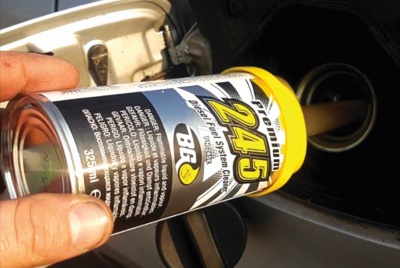 BG Products reports that it has carried out research into what limits the life of a DPF, and in doing so has identified what can be done to extend the life of a DPF.
“The good news is that the proactive approach to protecting a DPF pays clear dividends in the general cost of operation over and above reducing downtime,” the company continued.
“The two main things that affect a DPF is the amount of soot and ash it has to deal with. Soot is mostly from fuel combustion and ash is mostly from oil combustion.”
The firm says it has also demonstrated how its regime will dramatically reduce, and usually, all but eliminate DPF problems.
“A national minibus hire fleet had a reduction in DPF and EGR failures from 22 per cent in the year prior to using the BG regime, down to 0.6 per cent (a reduction of 93 per cent),” the company reports.
“A county council fleet (running road-sweepers and bin lorries, which are challenging vehicles for DPFs) report a near elimination of issues, and a reduction in fuel usage, in the eight years they have been using BG Products maintenance products.
“BG Products research has shown that the regime of keeping the injectors clean to maintain fuel atomisation is very important in maintaining quality combustion, which in turn limits soot production. High pressure injectors are particularly susceptible to deposits, and are also require special chemistry to clean the particular deposits that HPCR injectors create.
“The issue that seemed to be even more important was the need to clean, and keep clean, the piston rings, or more accurately the piston ring seats. Deposits will get behind the piston rings and inhibit flexing and centring of the rings. This loss of sealing leads to a vicious circle of issues that affect the engine and the DPF…
“A reduction in compression (which we have seen in as little as 12,000 miles) means less complete combustion, this leads to more soot, more soot leads to more soot in the oil, more soot in oil leads to more wear (soot is carbon).
“The reduction in seal also means more fuel seeps into the oil, shortening the oil life and compromising lubrication quality.
“Furthermore, and perhaps most significantly for DPFs, more blow-by means that oil vapour passes into the combustion chamber so oil combusts and then deposits oil derived ash onto the DPF. Oil, of course, contains metallic elements that when reaching the DPF adhere to the DPF and shorten its life. Reducing oil consumption extends DPF life.
“BG EPR has shown that it cleans those hard-to-clean deposits behind the piston rings and as such restore ring function and therefore restore compression and reducing blow-by.
“BG Products have also shown that by restoring ring function (seal and compression) that DPF regen frequency is significantly reduced and DPF regen duration is shortened. This, as well as prolonging DPF life, has a very positive effect on fuel economy too.”