
Call for faster electric van charging
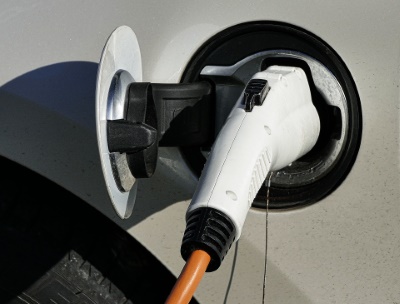 Faster charging speeds are essential for the wider fleet adoption of electric vans, according to the Association of Fleet Professionals (AFP).
Current vehicles from major manufacturers are rated from around 50-125kWh meaning that even the best will take around 40 minutes to charge from 10 to 80 per cent in ideal circumstances, the AFP says, and are usually slower in real-world conditions.
Paul Hollick, chair at the AFP, said: “When it comes to tackling the reasons behind slow fleet adoption of electric vans, prominence has been given to issues of range and payload but there has been limited discussion of charging speeds.
“In fact, as discussed at a recent meeting of our megafleets committee, which consists of our members who operate very large fleets, charging speeds tend to be a bigger real-world frustration. Having a driver sitting around for an hour while their van charges is expensive.
“If vans were capable of faster charging then, to a significant extent, other issues affecting them tend to become more manageable. For example, the negative impact of higher payloads on range becomes less important if you can recharge to 80 per cent every 125 miles in 15 minutes.”
Mr Hollick cited a perception among AFP members that vans were being built with slower charging capability because of a belief by manufacturers that it was crucial to achieve the lowest possible purchase price.
“This misconception is understandable. However, the message that we are hearing from our members is that they would be willing to pay more for faster charging capacity,” he continued.
“Over a typical six-year fleet lifecycle, the additional cost of a rapid charging van would be more than outweighed by increasing the availability of the driver.
“There is no doubt that available van charging speeds now lag far behind typical electric cars and we believe that many more fleet operators would be won over to electric vans if an 80 per cent charge was achievable in 10-15 minutes.”
He added that it was also important to ensure that drivers were accessing charge points capable of matching the highest speed of the vehicle, stating: “If the van can charge to 150kWh, fleets need to get as close to this figure as possible from the public charger. Too often, drivers are charging at 50kWh because of the high number of other vehicles tethered.”
A further boost to electric van practicality could be delivered soon by the removal of some compliance requirements for 4.25 tonne electric vans, he added.
“As has been widely reported, the government is working its way through the technical issues in this area and we hope to see progress soon on eliminating what we consider unnecessary tachograph, driver hours and MOT requirements.”
He said AFP members were very aware that sales targets under the ZEV mandate for electric vans were now rapidly ramping up, reaching 24 per cent in 2026.
“Sales continue to lag some way behind the government targets but manufacturers are going to come under increasing pressure to push electric vans onto fleets. The point in time when most operators can no longer ignore electrification and carry on buying diesel is coming soon.
“With that moment approaching, we’d like to see a greater understanding between manufacturers, fleets and government about the practicalities of electric van adoption.”