
Wheel alignment advice from AES UK
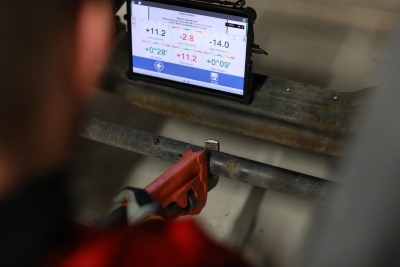 AES UK, a long-established supplier of workshop equipment and vehicle service solutions, has offered practical guidance for engineers and technicians on commercial vehicle and trailer wheel alignment.
With rising operating costs and increasing focus on safety and sustainability, correct wheel alignment is being highlighted as one of the most effective yet often overlooked maintenance disciplines in the transport sector, the company says.
“Proper alignment is fundamental to the overall health of commercial vehicles and trailers,” said AES UK director, Tom Coad.
“When alignment is incorrect, tyres wear prematurely, rolling resistance increases and fuel efficiency suffers. Over time, this not only drives up operating costs but also places unnecessary strain on suspension and steering components.”
Just as importantly, explains Tom, wheel alignment has a direct impact on vehicle handling and driver safety, making regular checks a critical part of preventative maintenance.
Industry data underlines the scale of the issue. AES cites studies showing that around 70 per cent of vehicles on the road are misaligned, and that 60 per cent of those requiring alignment also have worn or damaged components contributing to the problem.
For operators, the financial implications are significant, says the firm: a correctly aligned three-axle vehicle running eight tyres, covering 100,000 miles a year at 8 mpg, can deliver fuel savings of up to three per cent and extend tyre life by as much as 15 per cent. In real terms, that equates to potential annual savings of approximately £1,820 per vehicle, with the majority coming from reduced fuel consumption.
“There are a number of clear indicators that a commercial vehicle or trailer may require alignment attention,” Tom continued.
“Vehicles that drift or pull to one side, steering wheels that sit off-centre or appear crooked, tyre squeal, steering hesitation, vibration and uneven tyre wear are all common warning signs.”
 Left unaddressed, cautions Tom, these symptoms can quickly escalate into more serious mechanical issues and higher downtime.
In terms of frequency, AES UK advises that wheel alignment should be carried out at least once a year as a minimum standard. However, a more proactive approach, with checks three to four times annually, allows issues to be identified before they develop into costly faults.
Alignment should also be performed whenever steering or suspension components are replaced, when new tyres are fitted, or when drivers report steering concerns, says the company. For new vehicles, an initial alignment is recommended between 15,000 and 30,000 miles, or within the first three months of operation, to correct any early settling of components.
AES UK believes it is accepted across the transport industry that the benefits of maintaining correct alignment extend well beyond cost savings. For example, improved fuel efficiency comes from reduced rolling resistance, while even tyre wear significantly extends tyre life.
Safety too, is enhanced through better handling, stability and steering response, and the vehicle is less likely to pull under braking or cornering. While proper alignment also reduces wear on suspension components and contributes to a smoother, more comfortable ride for the driver, supporting both vehicle longevity and driver wellbeing.
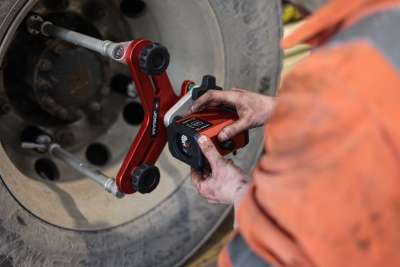
Tom says AES UK supports these objectives through its range of Josam wheel alignment equipment for commercial vehicles and trailers. Designed for workshop and fleet use, Josam systems use advanced measurement technology to deliver the accuracy required for modern heavy vehicles.
“We are always aiming to help the industry turn alignment from a reactive fix into a proactive maintenance strategy,” added Tom Coad.
“Whether operators are looking to bring wheel alignment in-house or workshops want to expand their service offering, AES UK offers free, no-obligation demonstrations across our HGV wheel alignment systems.”