
Logistics UK: electric van regulations should be ‘fast-tracked’
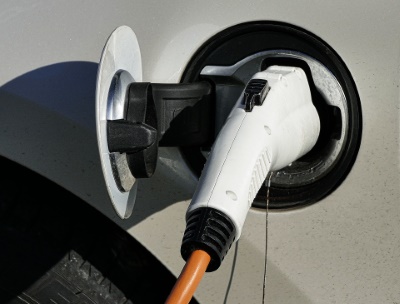 The government has published draft legislation for planned changes to the vehicle testing and drivers’ hours regimes for electric vans, which aims to level the playing field between electric and diesel LCV fleets.
Logistics UK has called for the regulations now to be approved as a matter of urgency, “so businesses and consumers can begin reaping the benefits of cleaner vehicles”.
The Goods Vehicles (Testing, Drivers’ Hours and Tachographs etc.) (Amendment) Regulations 2026 will amend the regulatory framework for zero‑emission goods vehicles (ZEGVs) between 3.5 and 4.25 tonnes, marking a meaningful shift in how these vehicles will be tested, managed and operated.
The intention is to remove the practical and administrative barriers that may have contributed to electric vans in this weight range being perceived as less appealing than their diesel equivalents.
The government’s reasoning is to bring ZEGVs into line with diesel vans under 3.5 tonnes. Electric vans are heavier because of their batteries, but they perform the same functions as their diesel equivalents. Without these regulatory changes, operators would continue to face additional burdens simply because of the weight of zero‑emission technology.
By removing these barriers, the government aims to encourage wider adoption of ZEGVs as part of the broader strategy to decarbonise transport and reach net‑zero emissions by 2050.
A major change concerns roadworthiness testing. Until now, ZEGVs over 3.5 tonnes have been treated like heavy goods vehicles, requiring annual tests at DVSA‑staffed Authorised Testing Facilities, with the first test due one year after registration.
Under the new regulations, these vehicles will instead fall under the Class 7 MOT regime. This means the first test will not be required until three years after first registration, with annual MOTs thereafter. Testing will take place at Class 7 MOT centres rather than ATFs, reducing both cost and logistical complexity.
The minimum tyre tread depth requirement will rise from 1.0mm to 1.6mm, bringing these vehicles into line with other Class 7 vehicles.
Another major change relates to drivers’ hours and tachograph rules. Previously, ZEGVs above 3.5 tonnes were subject to the assimilated EU drivers’ hours rules, which impose strict limits on driving time and require tachograph use. The new regulations remove ZEGVs up to 4.25 tonnes from the assimilated rules.
Instead, they will fall under the GB domestic drivers’ hours rules, which are simpler and more flexible. Crucially, tachographs will no longer be required, regardless of distance travelled.

Chris Yarsley of Logistics UK
Logistics UK said the move indicated that legislation “is finally catching up with operational reality”. Chris Yarsley, the organisation’s senior policy manager, said the regulations needed to be approved “as quickly as possible”.
“The current situation where standard size electric vans are treated as HGVs, in terms of MOT and driver hours requirements, is outdated and penalises logistics operators who are trying to clean up their fleets and help the UK meet its decarbonisation objectives,” he said.
“Electric vans are used for the same jobs as diesel and petrol vehicles, and it is only the extra weight from the batteries that moves them into the same category as HGVs.
“The new legislation removes this false equivalence and will speed up the adoption of cleaner vehicles as operators will not have the unnecessary expense and paperwork of complying with rules designed for much heavier lorries.”
He continued: “As part of the Zero-Emission Van Plan coalition, Logistics UK has long been campaigning for full regulatory alignment between 4.25 tonne electric vans and 3.5 tonne diesel, and improved fiscal support for adopting electric vehicles.
“The draft legislation is a clear indication that the government is listening to the sector’s concerns, and it is now essential for the legislation to become law as a matter of urgency.”