
IMI warning as EV technician skills gap looms
 The Institute of the Motor Industry (IMI) has warned of a “worrying picture” of slowing investment in technician training for zero-emission vehicles (ZEVs).
According to its latest IMI TechSafe data, just one in four technicians were qualified to work on electric vehicles (EVs) at the end of the third quarter of 2025 – and the number of technicians gaining an EV qualification in the same quarter dropped nearly 13 per cent compared to Quarter 1.
The organisation said that, given the geographically uneven distribution of skills across the UK and their concentration in the franchise dealer market, the growing number of EV operators were likely to find it harder to get their vehicles serviced and repaired by qualified experts, especially in certain areas.
IMI warned “mixed messages” on electric motoring from government, combined with economic pressures, had served to “put the brakes on training”.
Emma Carrigy, head of research, policy and inclusion at the IMI, said: “The latest IMI TechSafe EV forecast suggests that the pace of training is misaligned with current and future demand, and is likely to fall short of what is needed to support the UK’s ZEV targets.
“With our analysis expecting even lower EV certifications for Q4, unless there is a significant acceleration in training, the gap between the number of EV-trained technicians and those required will widen dangerously in the next five to ten years.
“And with training levels varying significantly between employers and regions, with independent workshops often less able to invest ahead of demand, there is a strong risk of a postcode lottery as the second-hand EV market grows.”
She continued: “It is vital that EV owners and those who aspire to become one, have confidence that their vehicle can be safely, affordably and conveniently serviced throughout their lifetime.
“A visible, qualified and geographically distributed service and repair workforce is therefore a critical enabler of sustained EV adoption. Employers need urgent support from government to ensure EV drivers don’t face a postcode lottery for servicing and repairs.”
Based on current trends, IMI says its projections suggest that the number of EV-qualified technicians could rise to around 193,000 over the next decade – but it warns that this could be 44,000 fewer than anticipated demand for electric vehicle maintenance would require.
“It is now too late for even sustained growth in certification to fully close the gap,” Emma Carrigy added.
“If drivers face delays for repairs to their EVs they will make their frustration heard and it will put off other would-be EV-switchers with the environmental benefits of zero-emissions mobility unnecessarily delayed.
“The most acute pressure on technician capacity falls in the years leading up to 2030, when the ZEV mandate needs a rapid increase in electric vehicle sales. This creates a narrow window for employers to scale training and bring more technicians into EV repair roles. Delays during this period will be difficult to recover later, as the skills gap compounds alongside rising vehicle volumes.”
The IMI has called on government to address the skills gap, and further action to explicitly recognise automotive servicing and repair skills as part of the EV transition infrastructure. Workforce capability needs to be embedded into EV policy design, it says, supporting upskilling of the existing workforce on a large scale, and establishing recognised competence and safety standards.
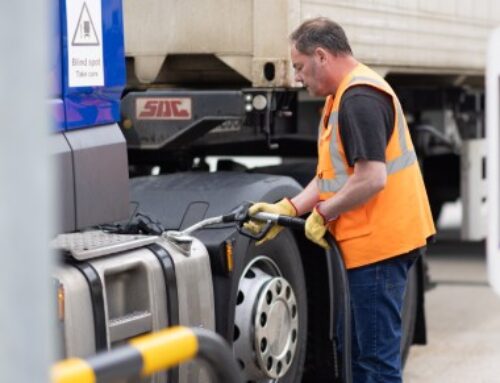
Logistics UK said that the lack of EV technicians identified by the IMI would inhibit uptake of cleaner EVs, as operators will not have the confidence their fleets will be maintained.
“Every minute a vehicle is off the road costs operators money, and commercial viability is the overriding factor that influences an organisation’s decision to invest in electric vehicles,” said Arthur Gribbin, engineering policy lead at Logistics UK.
“Anything that introduces doubt that operational requirements and customers’ needs will not be met using an electric fleet means operators will take the only financially viable decision: wait until these doubts are removed.
“If the government is serious about meeting its decarbonisation objectives, it needs to create an environment that makes switching to electric vehicles an easy win. This means investing in charging infrastructure so logistics operators have access to the power they need both now and, in the future, but also investing in the skills that allows operators to keep their vehicles on the road.”