
ADR compliance: no room for error
 Derek Broomfield, chairman of ADR training experts Novadata, looks at the risks that ADR loads present to drivers and operators, the public, emergency services and the environment
Transporting dangerous goods, from flammable liquids and gases to corrosive chemicals and environmentally hazardous substances, is one of the most highly regulated activities in the UK road transport sector – and with good reason.
Compliance with ADR regulations is not simply a technical exercise or a paperwork requirement. It is a fundamental obligation that underpins safety, legal compliance and professional repute in the road transport industry.
For transport operators who regularly transport goods classified as dangerous, failure to meet ADR requirements can result in serious enforcement action, financial penalties and long-lasting reputational damage.
ADR and why it matters
ADR is the European Agreement concerning the International Carriage of Dangerous Goods by Road. In the UK, it is enacted through the Carriage of Dangerous Goods regulations, which apply to both domestic and international movements.
Drivers who transport dangerous goods must hold a specific ADR Vocational Training Certificate, which is issued by the Scottish Qualifications Authority (SQA) on the successful completion of the relevant exams.
 There is an exemption for those who only carry limited quantities of dangerous goods, but those who regularly transport goods which fall within the remit of ADR must pass these exams and hold an ADR vocational licence. This qualification must be renewed every five years.
ADR regulations govern every aspect of dangerous goods transport, including classification, packaging, labelling, vehicle equipment, documentation, driver training and emergency procedures. The regulations are detailed, prescriptive and regularly updated to reflect emerging risks and international best practice.
While ADR is often perceived as complex, its purpose is straightforward: to reduce the likelihood of incidents and to minimise the consequences should anything go wrong.
The real-world risks of non-compliance
The consequences for a transport operator for a breach of ADR regulations can be severe. DVSA roadside checks routinely uncover issues such as incorrect vehicle signage, missing documentation, unsuitable packaging, or drivers lacking the correct ADR qualification.
In serious cases, the vehicle may be prohibited (and possibly immobilised) from continuing its journey, and the operator and driver can be reported for further action. This will include further scrutiny from the DVSA and may extend well beyond ADR compliance. Individuals can face criminal prosecution or civil claims, and the company may be hit with increased insurance premiums.
Quite apart from legal enforcement, real danger can occur during an incident. A road traffic collision involving dangerous goods can escalate rapidly. It can be difficult for emergency responders to take appropriate action if they are unable to identify the load, or if containment measures fail. Incorrectly declared substances, poorly secured loads or inadequate fire-fighting equipment can significantly increase harm.
Driver competence and training
One of the cornerstones of ADR compliance is driver training. Any driver carrying dangerous goods above threshold quantities must hold a valid ADR Driver Training Certificate (often referred to as an ADR vocational licence), covering the relevant classes of goods and any specialist modules such as tanks, or radioactives or explosives.
Compliance does not end with possession of a certificate. Operators must ensure that drivers understand their responsibilities, including load checks, documentation, vehicle equipment requirements and actions to take in the event of an emergency.
 ADR certificates are valid for five years, but changes to the regulations occur more frequently – usually on a two-year cycle. Operators who fail to keep drivers informed of these updates risk unintentional non-compliance, even where certificates remain in date.
Vehicles, equipment and load security
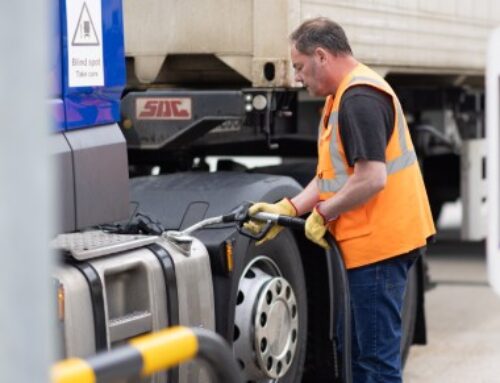
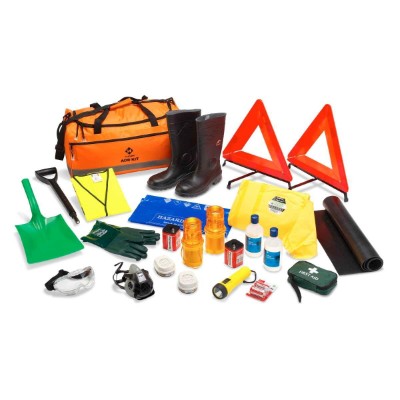
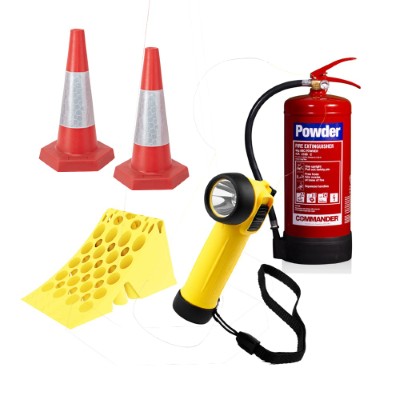
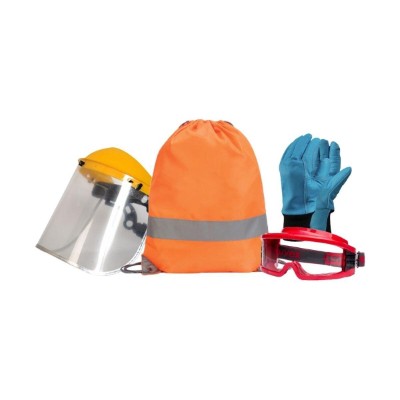
ADR places specific requirements on vehicles used to carry dangerous goods. This requires carrying specialist ADR vehicle equipment. Depending on the load, this may include fire extinguishers of a prescribed type and capacity, spill control equipment, wheel chocks, warning triangles and personal protective equipment for the driver.
Vehicles must be suitable for the load being carried, properly maintained and free from defects that could compromise safety. Inadequate vehicle condition is a common enforcement issue and can quickly escalate into wider questions about maintenance systems and operator compliance.
Load security is another critical factor. Dangerous goods must be packaged, labelled and secured in accordance with ADR provisions. Incorrect packaging, or failing to keep different products separated from each other, can lead to chemical reactions, leaks or contamination – risks that may not become apparent until the vehicle is out on the road.
Documentation and identification
Accurate documentation is critical under ADR. Transport documents must clearly describe the dangerous goods being carried, including the UN number (a unique four-digit number issued by the United Nations Economic Commission to standardise identification worldwide), proper shipping name, hazard class, packing group and any applicable tunnel restrictions.
Any staff involved in the documentation, loading or other handling of dangerous goods should attend dangerous goods awareness training. This does not require exams or an official qualification, but is essential for awareness and safety.
Vehicles must display the correct orange plates and hazard warning placards where required. These ADR vehicle signs play a crucial role during roadside checks and, more importantly, in emergency situations where first responders rely on them to assess risk.
Missing, incomplete or incorrect documentation is one of the most common causes of prohibition at the roadside. It is also one of the easiest areas for operators to control – provided that they have robust systems in place.
The role of the Dangerous Goods Safety Adviser (DGSA)
Most operators involved in the carriage of dangerous goods are legally required to appoint a Dangerous Goods Safety Adviser. The DGSA’s role is to advise on compliance; ensure their organisation is following best practice and using robust systems; investigate incidents; and produce an annual report assessing the operator’s performance.
 A qualified DGSA can provide invaluable support, helping operators identify weaknesses, interpret regulatory changes and demonstrate due diligence in the event of an investigation. Operators are wise to engage meaningfully with their DGSA, rather than treating the role as a tick-box requirement.
ADR compliance and operator repute
ADR compliance does not exist in isolation. Failings in dangerous goods transport can raise broader concerns about an operator’s overall health & safety culture, their management control and professional competence.
Serious or repeated breaches may lead to attendance at a Public Inquiry, particularly where there is evidence of systemic failure or disregard for regulations. In such cases, consequences can include the curtailment, suspension or revocation of the operator licence.
On the other hand, operators who can demonstrate strong ADR systems, regular audits, effective training and proactive management are far better placed to withstand regulatory scrutiny.
Keeping pace with change
ADR is updated every two years, with amendments covering new substances, revised classifications, updated packaging standards and changes to training requirements. Operators who rely on outdated knowledge or who continue to do things in the same way that they have always done them risk falling behind without realising it.
ADR compliance should not be viewed as a specialist add-on task, but as a core business responsibility. By investing in competent people, robust systems and ongoing compliance management, operators can protect their drivers, their businesses and the public.
In the world of ADR, compliance is not just about meeting the regulations; it is about demonstrating professionalism, responsibility and control in one of the most challenging areas of road transport.