
Aquarius: making telematics data work across the fleet

Mark Johnston of Aquarius IT
Based on its close work with operators across the UK, fleet and compliance management specialist Aquarius IT reports that a consistent theme is emerging: fleets are not short of data, but are often challenged by how to bring it together in a way that delivers real operational value.
Most operators have already invested in telematics, camera systems and route planning tools, says the company – and these systems are now embedded across day-to-day operations. The challenge is no longer access to information, but how to connect it.
“In many fleets, critical data sits across multiple platforms,” explained Mark Johnston, managing director at Aquarius IT.
“Driver activity may be held in one system, vehicle tracking in another, incident footage elsewhere, and compliance records managed separately. While each system performs its role well, the lack of integration creates inefficiencies, duplication and, more importantly, gaps in visibility.
“This fragmentation becomes increasingly problematic as compliance expectations continue to rise. With schemes such as DVSA Earned Recognition placing greater emphasis on accurate, accessible and auditable data, operators need confidence that their processes are consistent and that key information can be easily evidenced. Managing this across disconnected systems introduces unnecessary complexity and risk.”
Aquarius supports operators by acting as the integration and compliance layer across the operation. Rather than replacing existing technology, it works alongside telematics, camera and route planning providers, using API integration to bring these data sources together into a single, joined-up environment.
This, it says, enables operators to manage driver, vehicle and compliance information in a more structured and consistent way.
“The conversation is shifting,” said Mark. “It is no longer just about adding new systems, but about how existing technology is integrated and used across the operation. That is where operators start to see real value.”
The impact is not simply about visibility; he says; it is about control and decision making.
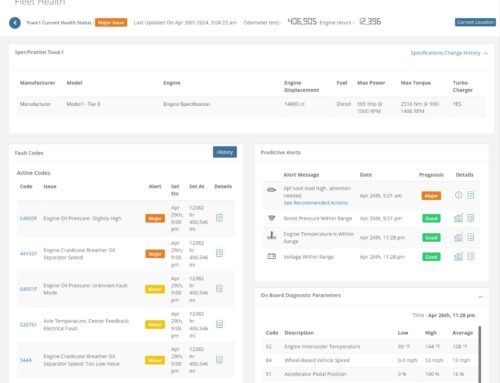
By connecting systems, operators can link incident data to driver records, align tracking data with tachograph analysis, and integrate maintenance activity with wider operational workflows. This provides greater context across the fleet, bringing together individual data points like pieces of a jigsaw to create a complete operational picture and support faster, more informed decisions.
A practical example of this is cited in Aquarius’ work with Welch Transport, where telematics, compliance, planning and warehouse systems are fully integrated.
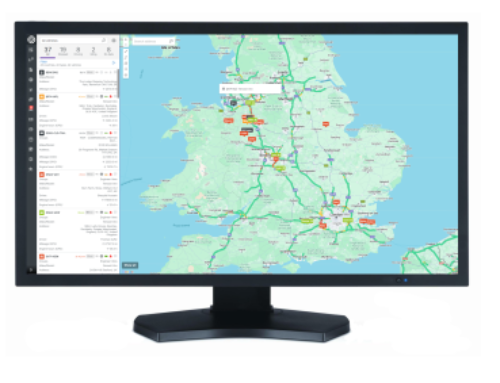
By bringing together ClockWatcher Elite and Asset Maintenance with transport and warehouse platforms, the operator has created a single, live view of driver and vehicle status. This enables planners to make informed decisions in real time, ensuring only compliant drivers and vehicles are allocated work, while reducing manual checks and improving overall planning accuracy.
“Operators also benefit from improved access to performance data across drivers and vehicles, helping to identify trends, improve efficiency and reduce unnecessary fuel and maintenance costs,” said Mark.
“When this information is aligned across systems, it supports better communication across the operation and more accurate, up-to-date insight when it is needed.
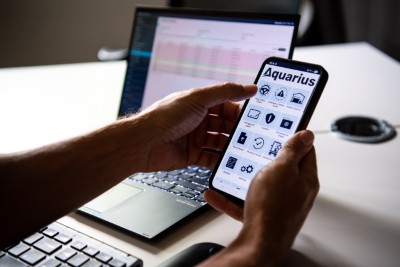 “This is particularly important in environments where multiple systems and providers are in use. Aquarius integrates with a wide range of telematics, tracking and partner platforms, ensuring that data can be accessed remotely, managed consistently and used to support both day-to-day decision making and longer-term performance improvement.”
In practice, very few transport operations rely on a single system, he says. Telematics, route planning, warehouse management systems, camera platforms and OEM technologies all play important roles across the modern fleet.
“Aquarius has always taken the view that the most effective fleet technology environments are those where systems can work together. Through its comprehensive API framework, Aquarius enables data to move securely between platforms, reducing duplication, removing manual administration and ensuring information remains consistent across the operation.
“This approach allows operators to integrate tachograph analysis, telematics, vehicle tracking and operational systems into a single compliance environment, providing greater visibility across drivers, vehicles and fleet activity.
“It also supports a more standardised approach across the business, reducing manual intervention and ensuring that processes are applied consistently, particularly important for larger or multi-site operations.
“Crucially, this connected approach enables a shift from reactive to proactive fleet management. With real-time alerts, automated workflows and integrated driver communication through the Aquarius App, issues can be identified and addressed earlier, rather than after the event. This not only improves compliance outcomes but also supports safer, more efficient operations overall.”
As fleets continue to invest in telematics and related technologies, says Mark, the focus is shifting away from standalone systems towards connected platforms that deliver practical value.
“Aquarius is playing a central role in this shift, working in partnership with leading providers across telematics, tracking and safety systems to help operators create a more connected, controlled and audit-ready operation,” he concluded.