
Fischer Panda UK turns focus on air conditioning

Ian Saunders of Fischer Panda UK
Fischer Panda UK | Power Solutions has offered its perspective on the importance for fleets of taking air conditioning systems into account as they embark on electrification.
“It’s been a very interesting period for the sector,” Ian Saunders, who has led on vehicle sector sales for the last four years and was recently appointed sales director at the company, told Transport Operator.
“As more fleets adopt electrified platforms, climate control systems are no longer a secondary consideration. HVAC represents a significant proportion of auxiliary load and, if not engineered correctly, can reduce range, affect comfort and compromise operational reliability.
“Operators tasked with long duty cycles or critical missions need reliable HVAC that works efficiently without draining the main battery. That means integrating HVAC systems with dedicated power architectures designed to support their energy demands.”
Fischer Panda UK’s focus is on designing and integrating power systems that balance vehicle propulsion with auxiliary demands like HVAC, says Ian.
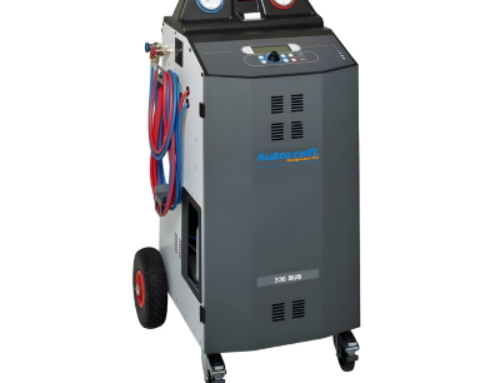
“By collaborating with industry‑leading HVAC manufacturers such as Autoclima and Eberspächer, we help operators choose and integrate climate control systems alongside power sources that are matched to vehicle duty profiles.
“Our experienced engineering teams configure solutions that maintain comfort, optimise energy use and support operational endurance. It is fundamental that HVAC systems work in harmony with vehicle power systems, particularly in electric and hybrid platforms where auxiliary loads directly influence range and uptime.”
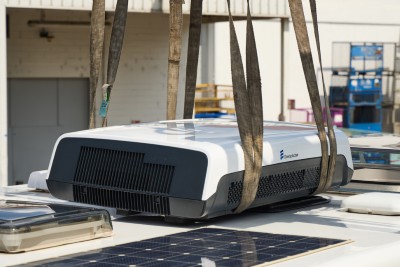 This integration is especially critical in specific sectors, says Ian.
“Besides transport, emergency response and specialist fleets have some of the most demanding climate control requirements.
“One clear example is the upgrade of police dog vehicles to comply with updated animal welfare standards. These vehicles must maintain stable temperatures under all conditions, and failures are simply not acceptable.
“We design solutions that ensure consistent HVAC performance without sacrificing vehicle range, even in extended idle or standby periods. Similarly, we’re working with a vast range of operators, from pharmaceutical transport vehicles to mobile utility vehicles, such as dental clinics and libraries.”
Passenger comfort and compliance are essential for transport operators, he adds, particularly in minibus and shuttle applications.
“For example, we recently specified and integrated a climate control system on a specialist minibus platform that maintained consistent HVAC performance across varying duty cycles and passenger loads. Solutions from Autoclima, such as the RTH120 and RT180, deliver reliable cabin comfort while integrating with power supplies tuned to vehicle requirements.
“The key point for operators is that integrated HVAC and power systems deliver predictable performance without compromising efficiency or reducing usable range.”
The company also operates in export markets, which influences its approach to HVAC.
“In regions such as the Middle East, ambient temperatures frequently exceed 40°C. In these conditions, standard HVAC systems without dedicated power support would place unacceptable load on the vehicle’s propulsion battery.
 “Our experience across harsh climates and heavy‑duty applications means we design power architectures that can support sustained HVAC operation, ensuring comfort, reliability and uptime even in extreme environments.”
On what should be foremost in a fleet manager’s mind when planning HVAC integration, Ian says it’s crucial to understand the HVAC load relative to duty cycle and range expectations of any kind of vehicle, electric or combustion engine.
“Operators should work with suppliers who can configure the right combination of power source, storage and control systems to support those requirements,” he said.
“Second, choosing HVAC modules from established manufacturers like Autoclima and Eberspächer, which are extremely efficient and intuitive, reduces risk and ensures serviceability.
“Finally, early planning matters. Specifying integrated power and HVAC at the outset avoids retrofitted compromises that can cost time and money.
He concluded: “It’s an exciting time where delivering dependable comfort and operational performance through properly integrated HVAC and power systems is becoming essential.
“We are committed to supporting operators with solutions that deliver that reliability, and peace of mind, and invite everyone to visit us at Stand 5E106 at the Commercial Vehicle Show to discuss their specific requirements.”