
Microlise highlights safety role of in-cab cameras

Nadeem Raza of Microlise
Telematics solutions provider Microlise has emphasised the positive impact on safety that in-cab cameras can help fleets and drivers achieve.
“Many drivers understandably see an in-cab camera and assume it’s simply there for employers to monitor and scrutinise their every move,” said Microlise CEO Nadeem Raza.
“But look beyond that first impression and the real value becomes clear: these systems can help drivers improve and stay safer on the road.
“Like anyone else, drivers are human. And humans make mistakes. In an office environment, if someone slips up at their desk, a supervisor can usually spot it and offer guidance straight away. For drivers working alone on the road, that kind of immediate feedback isn’t always possible.
“That’s where in-cab cameras can make a difference. By identifying risky behaviours or moments where attention slips, they provide timely feedback and practical coaching. Instead of simply recording what happened, they help drivers learn from it, supporting them to build better habits and become even more skilled behind the wheel.”
Nadeem Raza cites Microlise research which found that drivers are four times more likely to be involved in an accident when distracted.
“In those moments, even a slight delay in reaction time can lead to a near miss, a costly collision, or in the worst cases, a fatal incident.
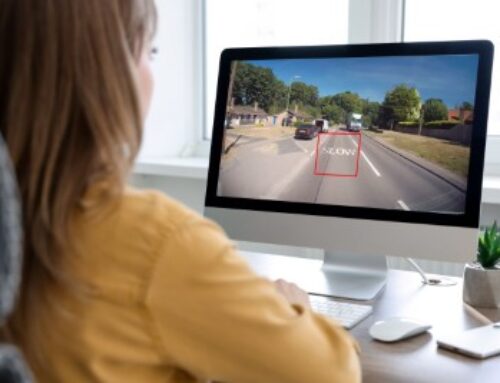
“AI-powered in-cab cameras are designed to address exactly these risks. They can detect signs of distraction or fatigue and issue an immediate alert to help the driver refocus.
“At the same time, Advanced Driver Assistance Systems (ADAS) monitor the road ahead for potential hazards. Working together, these technologies provide a comprehensive safety net supporting the driver both inside the cab and on the road ahead.”
He continued: “Footage captured by an in-cab camera can be incredibly valuable. It allows operators to identify the driving behaviours that may lead to incidents, using real examples to coach drivers on how to avoid them in the future.
“Just as importantly, if an incident does occur and the driver is not at fault, the footage can provide clear, objective evidence to prove their innocence.
“For operators, the advantages are equally significant. Proactively monitoring driver behaviour with camera technology helps improve safety standards across the fleet, reduce operational risk and lower insurance costs. In this way, in-cab cameras deliver benefits for both drivers and the businesses that support them.”
For operators aiming to help drivers improve their performance with in-cab cameras, maintaining open and honest communication is essential, Nadeem contends.
“Being transparent about why the technology is being introduced helps build the trust needed for it to succeed,” he said.
“Equally important is reassuring drivers that their privacy will be respected; the technology is there to help them do their job safely and effectively.”