
Why fleets should wake up to fatigue
 The issue of driver tiredness is too often overlooked and the consequences underestimated, says Damian Penney, chief revenue officer at Optix
Until recently, many CEOs I spoke to regarded driver fatigue as a compliance issue. They believed that if a fleet had the right tachograph technology and was fully in line with road safety regulations, tiredness at the wheel was taken care of. Fatigue as a serious risk was a problem for developing countries where rules are more relaxed and schedules are less tightly controlled. Not something that happens in the UK and Europe.
Fortunately this attitude is changing and boardrooms are beginning to realise that the reality is very different. Fatigue is posing a serious threat to fleet safety in the UK, Europe and North America. According to ROSPA figures, 20 per cent of road collisions in the UK are due to fatigue and as it’s so hard to identify fatigue as a cause after the event, this figure is likely in fact to be much higher.
Every collision involving a fleet vehicle has consequences for the company. Aside from human injury and damage to vehicles, these consequences can include higher insurance premiums, legal claims and reputational damage. Board members can be personally liable if negligence is claimed.
Neither regulations nor technology can address fatigue on their own. Restricting driving hours cannot compensate for a broken night of sleep or a distressed frame of mind. And even technology like our own that alerts drivers to visible signs of fatigue cannot solve the problem by itself. A fatigued driver continues to pose a serious risk as long as they are behind the wheel.
A holistic approach to fatigue management is needed. That means human intervention and trying to understand drivers as people – not simply as machine operators taking a vehicle from A to B within a set time frame. The safest and best-run fleets are the ones who know their drivers well.
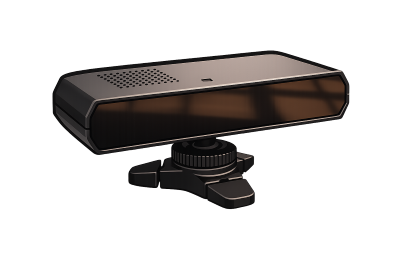
Optix fatigue detection hardware
Ironically, most organisations already have the data to help them do this. In addition to incident records, the analysis of telematics data and information captured from intelligent video cameras can reveal trends in driver behaviour. HR information such as shift patterns, days off and training notes can also provide clues.
For example, one of our customers noticed that their drivers were showing signs of fatigue on Fridays. The cause was traced to a change in pay cycles – from monthly to weekly on Thursdays. The drivers had responded by going out on Thursday nights, with consequences the following morning.
Managers need to be prepared to intervene to take a driver off the road if they are fatigued. This is not easy: drivers are naturally unwilling to accept that they may lose a shift, and no manager wants a delivery to be delayed. But if signs of fatigue are spotted, lives could be at risk if that driver enters the cab.
I had my own experience of this in France last year, when I was travelling in a bus. I noticed that our driver was opening the window, singing to himself and even giving himself little slaps on the face. Eventually I and a group of passengers persuaded him to stop the bus until a replacement could be found. He wasn’t pleased but the risk of not doing so was clearly too great to be an option. If you have fatigue detection technology, make sure there’s someone in your control tower who can take action if a driver is clearly in danger of dropping off.
Regulations relating to fatigue are likely to tighten. We work with some companies who already put their drivers through cognitive tests before they step into the cab – measures like this could become mandatory in the long term. Don’t wait for this to happen. Fatigue already hits your bottom line and soon it will be hitting your top line: many more organisations now put fatigue management as a requirement in their tender documents.
Take a look at your data first, consider the patterns it reveals, and then make a plan to build the level of trust you need with your drivers, managers and board to eradicate fatigue and make sure that everyone gets safely home.