
AES UK: the business case for regular wheel alignment
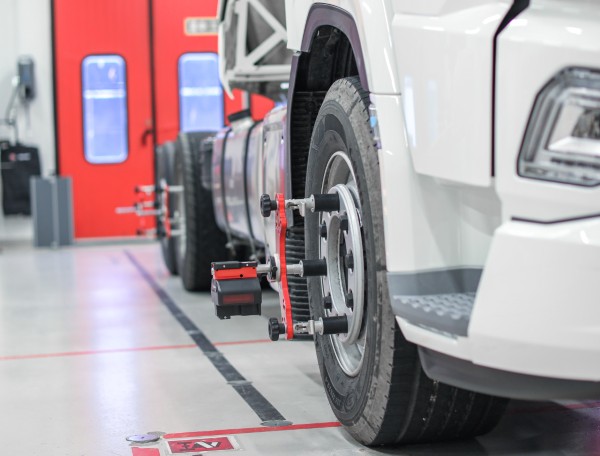 AES UK, which distributes Josam wheel alignment systems in the UK, says it has seen first-hand the benefits that correct alignment delivers in tyre life, fuel efficiency and vehicle utilisation.
At a time when operators face mounting pressure to control costs and maximise uptime, AES UK believes wheel alignment remains one of the most effective and often overlooked elements of preventative maintenance. Correct axle and wheel alignment helps reduce unnecessary operating costs, it says, while supporting vehicle reliability, safety and performance.
The causes of misalignment are often unavoidable, adds AES UK: potholes, kerb strikes, suspension wear, component replacement and the stresses associated with heavy loads can all affect vehicle geometry. Because these changes typically develop gradually, their impact is often not recognised until excessive tyre wear or handling issues begin to emerge.
“Even small alignment deviations have a direct and measurable impact on fleet running costs,” said Tom Coad, director of AES UK.
“On high-mileage HGV operations, the additional tyre wear and fuel usage will often exceed the cost of a routine alignment check many times over.”
Therefore, advises Tom, regular inspections help operators identify issues before they become costly repairs: correct alignment extends tyre life, improves fuel efficiency and reduces wear on steering and suspension components, while also contributing to improved vehicle handling and driver confidence.
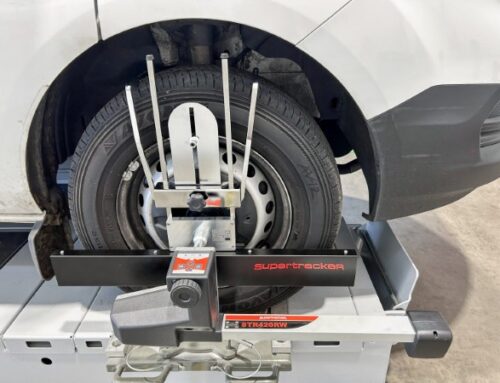
According to AES UK, alignment delivers the greatest value when it forms part of a wider preventative maintenance programme. Modern systems such as the Josam Cam-aligner use camera-based technology to provide fast, accurate measurements and detailed reporting, making alignment checks easier to incorporate into routine workshop schedules. The objective is simple: ensuring axles, steering and suspension systems work together as intended.
AES UK can support customers through system demonstrations and installation through to OEM-certified training. Training can be delivered either at the customer’s own workshop or fleet depot, or at AES UK’s purpose-built training centre, with ongoing technical support.
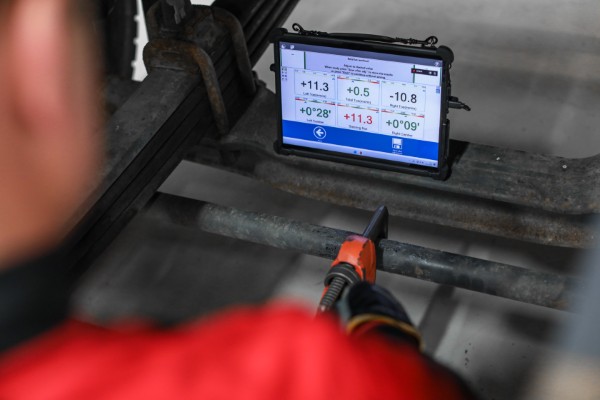 Tom also notes the commercial advantages open to vehicle workshops that invest in wheel alignment equipment. In addition to supporting their own maintenance operations, workshops can offer wheel alignment as a chargeable service to fleet customers, creating an additional revenue stream while delivering measurable value.
“By helping operators reduce fuel consumption, extend tyre life and minimise avoidable component wear, alignment services allow workshops to demonstrate clear cost savings for their customers while building stronger, long-term relationships,” he added.
“Alignment should be a routine maintenance check, not simply a response to a problem. With the right equipment and training in place, workshops can quickly make alignment part of their day-to-day maintenance process.”
In an environment where every operating cost is under scrutiny, wheel alignment equipment represents a practical investment rather than an overhead, suggests Tom. As such, AES UK’s experience shows that the reduction in tyre wear, fuel usage and avoidable maintenance costs can generate a fast and measurable return on investment for fleets and workshops alike.
“When operators and workshops can clearly see the impact on tyre costs, fuel consumption and vehicle uptime, the business case for investing in wheel alignment technology becomes very clear.”