
MAHA UK: the importance of correct axle play diagnosis
 MAHA UK has explained how modern axle play detection systems can aid accurate diagnostics and repair, while delivering a return on investment in the process.
Traditional, manual techniques were once relied upon for this task, says MAHA UK; levering components or rocking wheels by hand were common sights in a workshop.
“These are now outdated, inconsistent and may not replicate real-world conditions,” said the company.
“Different components can present similar symptoms: Worn wheel bearings and suspension bushes can both cause excessive noise and sharp vibration. Steering rack issues may be mistaken for track rod end wear. Intermittent faults may only appear under load.
“Therefore, the more accurate, in-depth the testing equipment, the stronger the possibility of an accurate diagnosis and, ultimately, repair.”
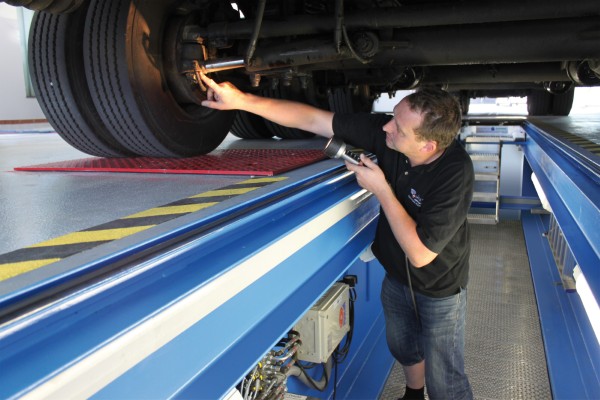
Modern axle play detection systems provide a suitable solution by applying controlled, directional forces to the vehicle, says MAHA UK – allowing the tiniest of movements or wear to be correctly identified.
“As a result, workshops can accurately spot faulty or worn components, detect issues that appear under load, and they don’t have to rely on subjective judgement – as good or reliable as it may be.
“By mirroring real-world stresses and scenarios, in a controlled environment, today’s axle play detection systems help workshops diagnose correctly, first time.
“While there are technical consequences to misdiagnosis, there could be reputational and financial impacts too. Repeat repairs are likely to frustrate customers, particularly those whose downtime needs to be minimal, so there is a risk of them looking for alternative repairers if frustration grows and the opportunity arises.
 “There are the cost implications too; unnecessary part replacements increase costs and reduce margins.
“All of these factors add up to an unwanted scenario for both workshop and customer, so why take the chance?”
Investing in axle play detections, like MAHA UK’s LMS 20.0, pushes workshops past basic compliance, the company says, while also allowing them to unlock tangible business benefits, like improved first-time fix rates, increased workshop efficiency and productivity, reduced parts wastage and stronger customer trust.
MAHA UK managing director Neil Ebbs said: “Axle play detection systems are not just a tool for compliance but a consistent, reliable method to bolster diagnostic accuracy, commercial performance and customer satisfaction.
“Workshops are under pressure to work quickly and accurately. To achieve both regularly, axle play detection systems are a sensible investment.”
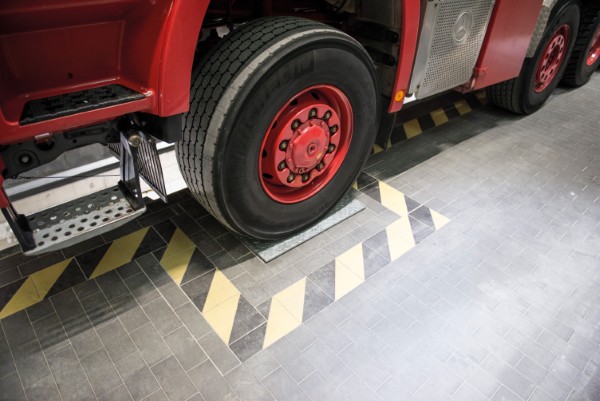
DVSA-approved, MAHA UK’s axle play detectors feature a built-in hydraulic drive, said to provide a powerful but smooth and quiet movement of the test plates. They can handle a maximum axle load of 20,000kg, wheel load of 10,000kg, and the plates can move up to 50mm per second.
“Furthermore, because they are manufactured in-house in Germany, MAHA UK’s team of experts can confidently maintain and repair from the point of installation,” the firm added. “This should provide customers total peace of mind.”