
Supertracker: how wheel alignment can add value after suspension repairs
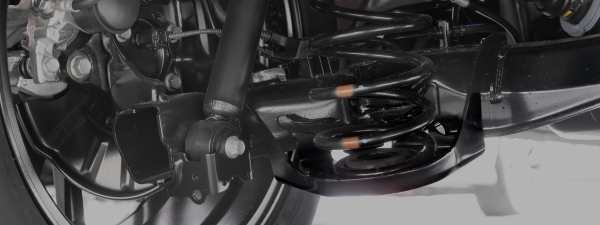 Wheel alignment specialist Supertracker has warned that skipping the procedure following a suspension repair can turn a successful job into a customer complaint.
“Suspension repairs are among the most common jobs carried out in commercial vehicle workshops,” said Julia Blake, marketing director of Supertracker.
“Track rod ends, steering components, control arms, ball joints, dampers and suspension bushes all wear over time and all need replacing eventually. Yet one of the most important parts of the repair process is still regularly overlooked – the wheel alignment check.
“At Supertracker, we work with garages and workshops every day, helping them understand the role wheel alignment can play across a range of services, including suspension repairs. Because suspension components directly influence wheel geometry, changes to those components can sometimes affect alignment settings. Understanding that relationship can help workshops provide additional reassurance to customers and identify opportunities to add value as part of the repair process.”
Wheel alignment is simply the result of how steering and suspension components position the wheel relative to the vehicle, says Julia.
“Every track rod, ball joint, control arm and steering component plays a role in determining toe, camber, caster and thrust angle. Replace one of those components and there is a strong possibility those angles will change, sometimes only slightly and sometimes significantly. Either way, assuming geometry remains correct after suspension work is a gamble many workshops cannot afford to take.
“A vehicle can leave the workshop with brand-new components fitted and still develop problems within weeks if the geometry is incorrect: tyres begin wearing unevenly; steering wheels sit off-centre; drivers report pulling, wandering or instability.
“The workshop then faces the most expensive outcome of all: a customer who believes the original repair has failed. In reality, the mechanical work may have been completed perfectly. The problem is that the geometry was never verified afterwards. For commercial operators, these issues quickly translate into increased tyre costs, additional downtime and unnecessary repeat visits.”
Some repairs have a greater impact on geometry than others, says Julia.
“Replacing track rods, steering racks, ball joints, control arms or any component that directly influences wheel position should automatically trigger a full alignment check. Work involving subframes or steering systems should be treated the same way. Yet workshops still encounter vehicles where these repairs have been completed without any post-repair geometry confirmation.”
Incorrect geometry accelerates tyre wear, increases rolling resistance and places unnecessary stress on suspension and steering components, says Julia. Even small alignment deviations can shorten tyre life and increase operating costs over thousands of miles.
“When multiplied across an entire fleet, the financial impact becomes significant. That’s why more operators are beginning to view alignment as part of preventative maintenance rather than simply a corrective measure.
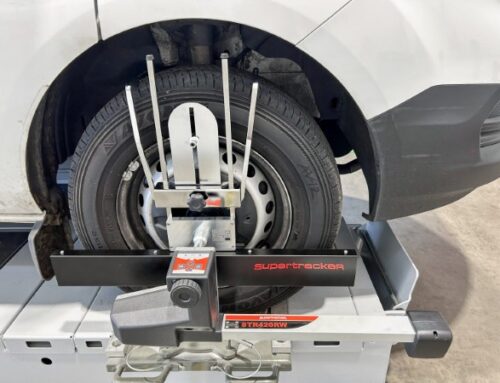
“Many workshops choose to follow a simple process after suspension repairs: complete all suspension work; inspect the vehicle; measure the geometry; correct any deviations; provide evidence that the vehicle has been returned to manufacturer specification.
“This not only protects the customer but also protects the workshop. Before-and-after alignment reports provide documented proof that the vehicle left the workshop correctly set up, helping reduce disputes and build customer confidence.”