
Certas Energy: the digital shift redefining fleet operations
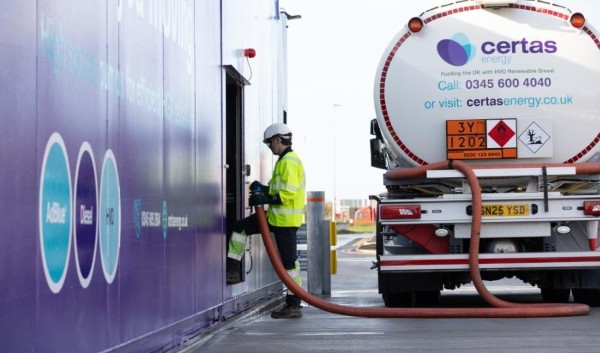 For today’s fleet operators, fuel management is about so much more than simply monitoring the cost of diesel or petrol, says fuel and lubricants distributor Certas Energy: modern transport businesses require greater visibility of their fuel costs, more rigorous quality controls, oversight of driver behaviour and a comprehensive understanding of the wider environmental impact of their operations.
“Simultaneously, many operators are managing increasingly diverse fleets, powered by a varying combination of traditional fuels, hydrotreated vegetable oil (HVO) and electric vehicles,” said Paul Boulton, fuel cards sales manager at Certas Energy.
“The role of fuel management therefore is evolving, with businesses searching for the necessary tools to oversee multiple energy sources efficiently and effectively, monitor performance, and support them to achieve their decarbonisation goals.”
This is reflected in the continued development of digital fuel management solutions, says Certas Energy, such as its fully digital fuel card, FuelTapp, which has undergone significant improvements in the past year to provide fleet operators with faster access, enhanced security and greater autonomy over fuel purchasing.
“One of the most significant challenges taking place for fleet managers across the industry is the steady transition away from traditional plastic fuel cards, and a move towards digital, app-based alternatives,” said Paul.
“For fleet operators, there’s an increasing expectation for instant account access, real-time controls, and greater visibility of fuel transactions. Rather than relying on retrospective invoices and reports, businesses are increasingly keen to monitor and effectively manage spending as it happens.”
FuelTapp’s enhancements focus on improved user experience for both fleet managers and drivers, says Paul. New customers can potentially be credit-approved and set up to use the system within just 30 minutes, empowering operators to get vehicles on the road without the requirement for the production and distribution of physical cards. The FuelTapp platform has also undergone a series of system improvements designed to deliver faster access, smoother functionality and enhanced reliability for users.
“While convenience and efficiency are key drivers for savvy fleet operators, security has become an increasingly prevalent issue,” he added.
“Missing cards, shared PIN numbers, missing receipts and unauthorised fuel purchases continue to create challenges for businesses seeking greater control over fuel expenditure. These concerns are driving demand for more secure methods of authorisation and transaction monitoring.
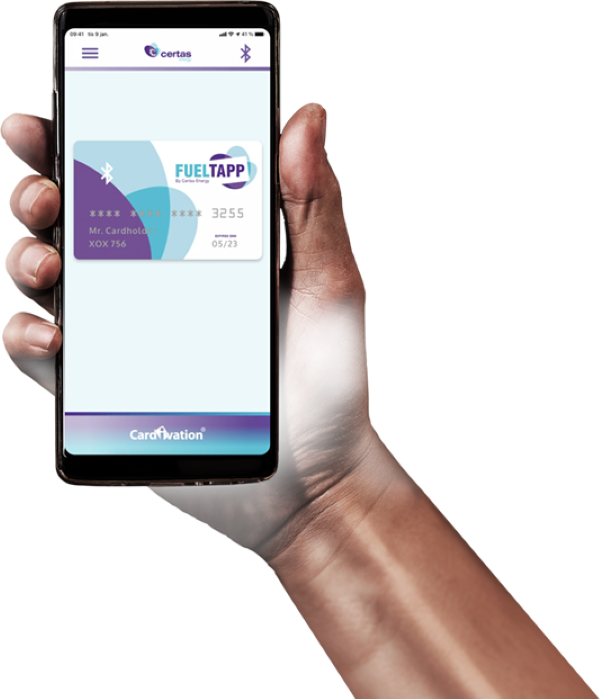 “FuelTapp effectively addresses this through app-generated, transaction-specific PIN codes, as opposed to fixed card PINs. This approach seeks to reduce the risks associated with lost, stolen or shared fuel cards, providing businesses with greater confidence that only authorised drivers are making purchases.”
Paul also emphasises the cost-saving opportunities digital solutions can create.
“Monitoring fuel consumption at vehicle and driver level, investigating unusual transaction patterns and using remote controls to restrict purchases can all contribute to effective cost management.
“Driver behaviour and driving habits, regular vehicle maintenance and operational procedures also remain key factors in fleets maintaining optimum fuel efficiency, while alternative fuels, such as HVO may provide opportunities to reduce lifecycle emissions, without significant upfront investment.”
The exponential growth of mixed-energy fleets presents a requirement for fuel management solutions that can provide a more comprehensive overview of spending, energy use and carbon performance across various vehicle types, Paul adds.
“Industry-wide demand is growing for platforms capable of collating and uniting transaction data, accurate usage reporting and carbon information to support fleet operators in making informed decisions about cost management, efficiency and sustainability.
“As fleets continue to diversify, the ability to manage different fuel and energy sources through a single, user-friendly platform, such as FuelTapp, is becoming increasingly valuable.”
He cites Certas Energy’s partnership with DP World on its Low Carbon Truck Programme (LCTP) as an example of how fuel management, security and sustainability can work together.
The initiative supports HGV operators, specifically those using London Gateway and Southampton ports, to reduce their emissions through HVO.
“As one of the programme’s selected fuel partners Certas Energy is proudly supporting participating fleets on their transition to lower-carbon fuel, without requiring changes to existing diesel vehicles,” said Paul.
“DP World estimated the programme could support more than 500 trucks, reducing CO2 emissions by more than 30,000 tonnes each year.
“Within the first year of the programme, 71 hauliers and 1,573 participating trucks have registered to take part, with a total of 1,346,000 litres of HVO allocated so far.
“Crucially, all fleets participating in the scheme use FuelTapp when refuelling with HVO, reflecting the importance of secure, controllable, and digital fuel management solutions within large-scale decarbonisation initiatives.”