
Optix: four ways data could help fleets curb fuel consumption
 With fuel a major area of expenditure for UK fleet operators, particularly given ongoing price volatility, even small improvements in fuel efficiency can make a difference, says fleet management specialist Optix.
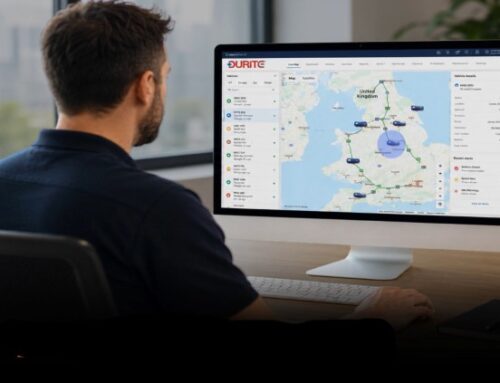
Data from video and telematics systems can help to identify fuel-burning behaviours, facilitate smarter route planning, highlight maintenance issues and reduce unnecessary vehicle use.
The company – a global provider of driver behaviour management and fleet efficiency technology and services whose devices are installed in more than a million vehicles worldwide – has highlighted four ways in which data can be used to cut fuel consumption and keep operating costs under control.
1. Coach smoother driving
“Video and telematics data can help identify driving behaviours that typically increase fuel consumption, such as harsh braking, aggressive acceleration and excessive idling,” said Optix.
“Fleet managers can use these insights to provide ongoing targeted coaching – helping drivers to adopt smoother, more fuel efficient habits.
“This coaching doesn’t always need to happen face-to-face. Mobile apps give drivers a way to reflect on their driving and learn continuously, while also offering fleet managers a way to track progress and share feedback remotely.
“Open conversations with drivers can also help address misconceptions around fuel use. For example, some may believe that idling is more fuel‑efficient than restarting the engine, when in fact idling a truck for just a few seconds can consume more fuel than switching the engine off and on again.”
2. Optimise routes in real-time
Static route plans drawn up at the start of the shift rarely survive real-world conditions, says the firm: roadworks, incidents, peak-hour congestion and weather disruptions can quickly turn an efficient route into a fuel-burning detour.
“Dynamic route planning addresses this by combining live traffic data, telematics inputs and vehicle-specific parameters to continually re-evaluate the best journey as conditions change.”
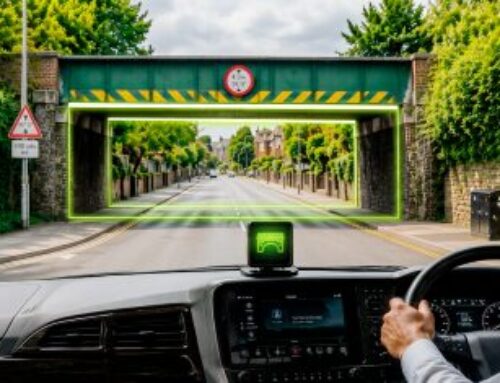
For fleet operators, this translates into four practical outputs, says Optix: real-time re-routing around congestion and incidents, helping drivers avoid unnecessary delays and reducing time spent idling in traffic; vehicle-appropriate routing, taking account of height, weight and load restrictions to avoid unsuitable roads and costly diversions; multi-stop optimisation, allowing the sequence of drops and collections for distribution fleets to be recalculated continually, so that total mileage can be minimised and unproductive backtracking avoided; and route deviation alerts, flagging when a vehicle moves away from its planned route, so that fleet teams can intervene before a small detour becomes an expensive one.
3. Stay on top of vehicle maintenance
Vehicle condition can have a direct impact on fuel efficiency, the company adds.
“Underinflated tyres, poor wheel alignment, engine issues and other maintenance problems can all increase fuel consumption, particularly over long distances.
“Telematics and vehicle data can help fleet managers identify potential issues earlier, allowing them to schedule maintenance proactively before problems occur.
“Regular maintenance not only extends the life of a vehicle but it also helps to control fuel costs and identify potential issues before they develop into unexpected breakdowns or operational disruptions.”
4. Reduce unauthorised use and overloading
“In a high‑cost environment, unauthorised vehicle use, route deviations and overloading can erode margins by pushing up fuel consumption and accelerating wear and tear.
“Video and telematics data can give fleet and risk managers greater visibility over how vehicles are being used. This can help identify unauthorised journeys and route deviations, while vehicle and loading data can support checks that vehicles are operating within recommended limits.
“By identifying unnecessary journeys and potential issues with vehicle use, fleets can reduce avoidable mileage, control fuel consumption and remain compliant with the legal limits.”