
BPW: protecting the wheel end with correct hub maintenance
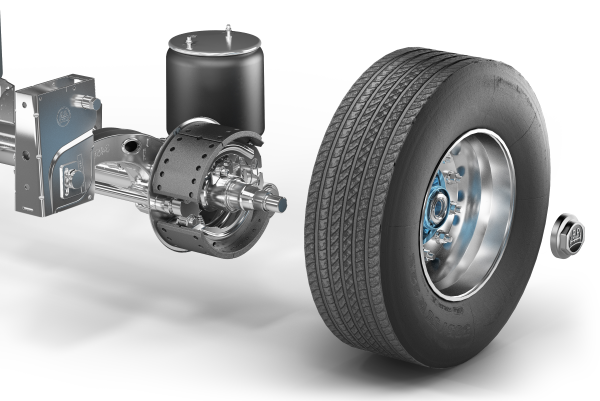 Trailer technology giant BPW has emphasised the fundamental role that correct hub maintenance plays in trailer safety and reliability.
“Done well, it can extend component life, reduce the likelihood of roadside failures and help the wheel end rotate efficiently,” said BPW.
“Intelligent hub design is also making the job simpler and more consistent for workshops.”
Smart braking systems, telematics and driver-assistance technology all contribute to safer commercial transport; however, their effectiveness still depends on sound mechanical foundations, the firm explains.
“At the wheel end, the hub and bearing assembly carries substantial loads throughout every trip while allowing the wheel to rotate with minimal friction. Its condition therefore directly affects safety, uptime, and operating cost.
“A well-maintained hub supports accurate bearing adjustment, effective sealing, and reliable retention of the wheel-end assembly. It also helps prevent contamination, overheating and wear, which may go unnoticed. The benefits are significant: longer bearing and component life, fewer unplanned stops and a lower risk of serious failures, including wheel-end damage and some wheel-loss incidents.
“Brake condition is closely linked to hub system health. Excessive brake temperature can transfer to the wheel end, accelerating the ageing and breakdown of hub grease and lowering its ability to lubricate and protect the bearings. A binding or poorly performing brake may therefore create consequences beyond the friction components themselves.”
BPW’s Brake Trak Pro, with individual wheel-station sensing, can help fleets identify poor brake performance at a specific wheel end. Combined with temperature-related data and alerts, this can flag an abnormally hot brake earlier and support targeted investigation before heat contributes to lubricant degradation, bearing damage, or an in-service failure.
“Good maintenance supports efficient operation,” advised BPW.
“Clean, correctly lubricated, and properly adjusted bearings allow the hub to run smoothly, avoiding unnecessary drag from poor adjustment or deteriorating components. Across a busy fleet, preserving that smooth rotation supports consistent vehicle performance while helping operators avoid the disruption, recovery costs, and secondary damage associated with a roadside breakdown.
“Attention to detail during reassembly matters just as much. Thoroughly removing fretting corrosion from the axle stub means bearing components seat correctly and subsequent operation is not compromised. The specified grease must be applied in the correct quantity and distribution: too little can leave contact surfaces inadequately lubricated, while too much can cause churning, excess heat and pressure within the hub. Following the manufacturer’s specification avoids both extremes and helps the lubricant perform as intended throughout the service interval.”
BPW emphasises the need to verify end-float (free play) to ensure correct hub fitment, and to readjust as necessary.
“The best maintenance outcomes are achieved when product design and workshop practice work together,” the company added.
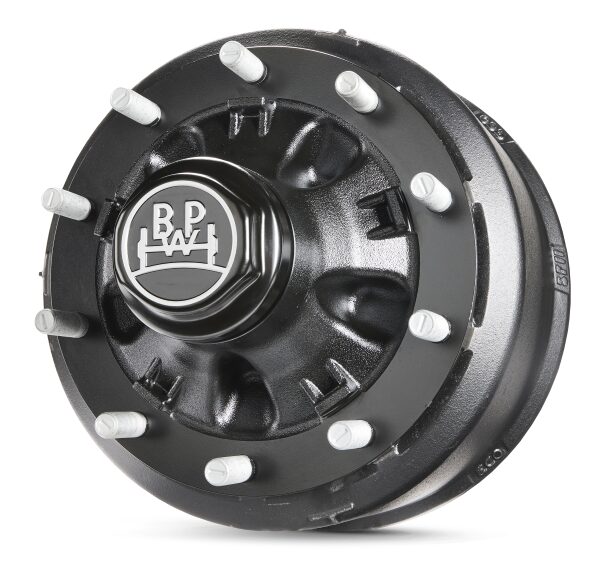 “BPW EcoPlus hub systems have been engineered to make critical servicing steps clear and repeatable. The EcoPlus system’s integrated hub-puller principle allows easy hub removal without taking the wheel off. Features such as the visible alignment reference on the serrated thrust washer and an integrated torque-limiting nut help technicians position and secure the assembly correctly without relying on guesswork.
“An ease-of-maintenance design does not remove the need for care; it directs that care to the points that matter. Correct tooling protects threads and locking features, replaceable seals help keep contamination out, and defined inspection points make it easier to identify pitting, discolouration or wear before a component fails in service. The result is a clearer process with less opportunity for inconsistency.”
Purpose-designed workshop equipment makes good practice quicker and safer, adds BPW.
“A suitable bearing press applies controlled, even force rather than shock-loading or marking precision surfaces; a grease shower helps distribute the specified lubricant consistently through the bearing; and in difficult situations, a hub puller enables removal without levering against or damaging adjacent components. Using the right tools reduces avoidable handling damage, shortens service time and makes the correct process easier to repeat across every wheel end.
“Even the most user-friendly design depends on trained technicians following best-practice advice and using the correct tools. Standardised maintenance, supported by appropriate training, gives operators greater confidence that every hub is inspected and assembled to the same standard. It also helps preserve roadworthiness, maximise component life and applicable warranty conditions.
“For fleet operators, hub maintenance should be viewed as preventative asset management rather than a routine workshop task. A well-maintained wheel end protects safety, supports longer service life, reduces avoidable downtime and keeps the trailer rolling as smoothly as intended. When a hub designed for simple, controlled servicing reinforces those benefits, correct maintenance becomes easier to deliver consistently across the fleet.”