
CameraMatics: staying one step ahead of driver fatigue
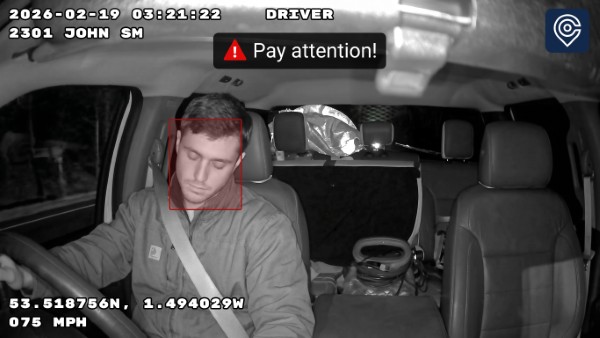 Video telematics specialist CameraMatics has explained how AI-powered technology can help tackle the risks posed by driver fatigue.
“Long shifts, demanding schedules and extended periods behind the wheel affect even the most experienced professionals, increasing the risk of reduced concentration, slower reaction times and impaired judgement,” said Elliot Goff, chief revenue officer at CameraMatics.
“As operators look for additional ways to manage this risk, they are turning to systems that utilise the power of AI to provide real-time insight into driver attentiveness, helping to identify potential issues before they develop into serious incidents.
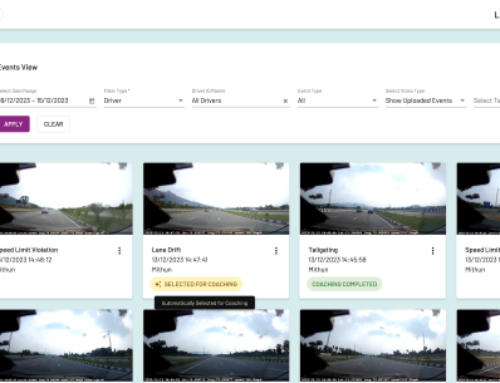
“At CameraMatics, our AI-powered technology is a genuine driver aid, proven to reduce risk by up to 89 per cent by helping to recognise behaviours commonly linked to fatigue and distraction. This includes prolonged eye closure, yawning, lapses in attention and repeated glances away from the road. It can also identify both risky and illegal behaviour, including smoking or mobile phone use while driving.”
When the system identifies signs that a driver may be becoming fatigued or distracted, Elliot explains, it issues an immediate in-cab alert.
“These audible and visual notifications give them the opportunity to address any risk and plan for a rest break. Fleet managers are also informed, enabling early intervention and creating opportunities for constructive coaching and conversations around wellbeing, workload and fitness to drive. The emphasis for us is always on safety, support and prevention, rather than catching drivers out.
“Critically, the AI technology analyses observable behaviour patterns rather than collecting biometric information, helping to improve road safety while addressing common concerns surrounding driver privacy.
“There is growing evidence that these interventions can even deliver benefits beyond safety on the road. In one example, our driver welfare technology identified a pattern of fatigue in one of our fleet customers’ drivers. The recurring alerts prompted further investigation that led to a diagnosis of conditions including sleep apnoea and diabetes, which ensured the driver was able to access treatment at an earlier stage, and before anything happened out on the road.”
The value of AI, says Elliot, is that it lets operators step in early, working with drivers in the moment to build a clearer picture of where risk is emerging, before it has a chance to escalate.
“While the technology significantly reduces risk by providing operators with valuable insight and an additional layer of protection in the moment, it cannot eliminate every fatigue event for drivers. The industry still needs to have practical approaches for fatigue reduction. Combined with effective scheduling, rest policies and driver wellbeing programmes, AI is becoming an increasingly important part of modern fleet safety strategies and Vision Zero’s roadmap towards the road safety goal of no on-road deaths or serious injuries.”