
LightMetrics: driving up safety with AI-powered video telematics

David Brazell of LightMetrics
AI video telematics specialist LightMetrics has highlighted the features and benefits of its RideView platform, which it says combines driver monitoring, real-time coaching and fleet safety intelligence to help operators move from simply recording incidents towards actively preventing them.
“Dash cameras, digital video recorders (DVRs) and traditional telematics solutions can provide valuable evidence after an incident, but increasingly sophisticated, AI-driven video telematics can also help identify risky behaviour as it happens, giving drivers the opportunity to respond before an incident occurs,” said David Brazell, head of strategic partnerships EMEA at LightMetrics.
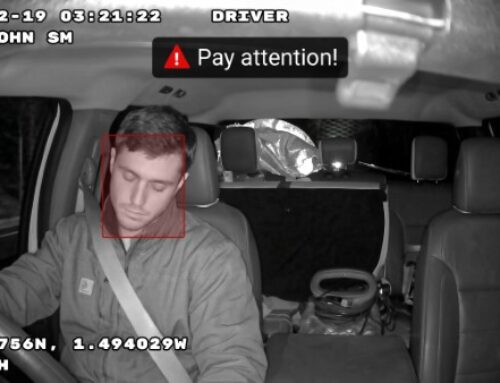
RideView uses edge AI to analyse road-facing and driver-facing camera footage for a range of potentially risky behaviours. These include speeding, distracted driving, mobile phone use, drowsiness, tailgating, forward collision risk, lane drifting and harsh braking.
“Because the video is processed on the camera, risky driving can trigger an alert inside the vehicle without requiring anything to be uploaded to the cloud first,” explained David.
“This gives drivers an opportunity to correct behaviour in the moment.
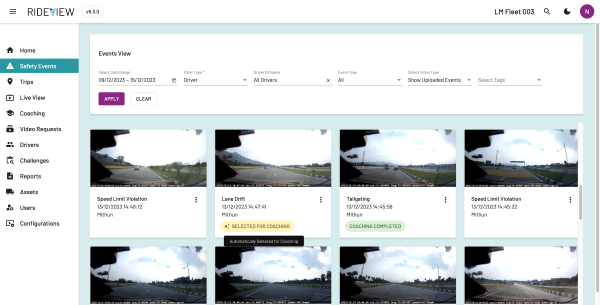
“For fleet safety teams, RideView also provides visibility of safety events, trips and driver behaviour through its dashboard. AI Event Training surfaces the videos that are important to review, cutting through the noise, while coaching workflows allow managers to identify patterns in driver behaviour and focus their attention where it is most needed.
“The aim is to move from reacting to individual events towards identifying recurring risks within a fleet and taking action before those behaviours contribute to an incident.”
 DVR footage remains an important use case for fleet operators, says David, particularly when a collision has already happened and the priority is establishing what took place.
“70–80 per cent of crashes with a truck are not the fault of the driver, but the burden of proof remains with the fleet. With concerns around fraudulent and exaggerated claims growing, exoneration is an increasingly important consideration.
“When an incident does occur, on-demand video can provide evidence of what happened, helping protect drivers and fleets in collisions where they were not at fault and supporting the investigation of potentially fraudulent claims.
“RideView Time-Lapse helps fleet teams quickly locate the point at which an incident occurred within recorded footage. Rather than manually reviewing hours of video or relying on an exact timestamp, users can scan footage visually to identify the relevant moment. Trip data is automatically populated, while users can select the duration and resolution required. Footage can also be requested while a vehicle is still in operation or after it has returned to the depot, reducing the time needed to locate relevant footage.
“While DVR provides an important reactive safety function, the wider opportunity is to use the same technology proactively. By identifying patterns of risky behaviour, fleets can coach drivers and address potential problems before they result in a collision.”