
ODSS: how training can help drive down risk
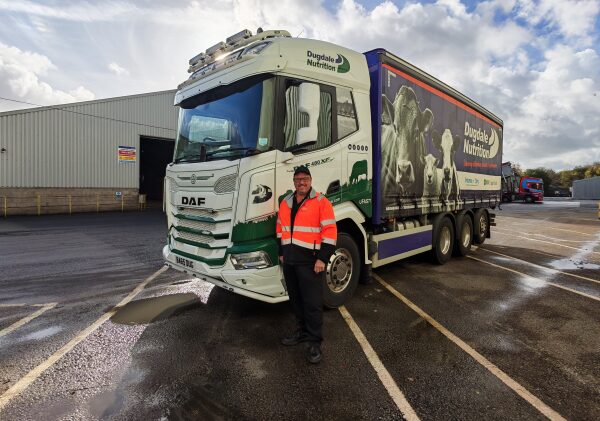 Transport training and compliance specialist Operator and Driver Support Services Ltd (ODSS) has highlighted the critical role that visibility plays in driving up road safety for HGV and PSV fleets, and how a suitable training regime can help reduce risk.
“Whether negotiating a busy junction, reversing in a confined yard or operating around pedestrians and cyclists, restricted visibility can have devastating consequences,” said the company.
“At ODSS we believe road safety starts long before a vehicle leaves the operating centre. It begins with effective management, appropriate training, robust maintenance systems and a culture where everyone understands their responsibilities.
“Modern commercial vehicles benefit from increasingly sophisticated safety technology, including cameras, proximity sensors and blind-spot monitoring systems. However, technology alone cannot prevent collisions and it comes with limitations.
“Drivers must understand their vehicle’s limitations, recognise restricted visibility areas and remain alert to vulnerable road users. Equally, operators must ensure safety equipment is maintained, operational and used correctly.”
Technology should support good driving practices, never replace them, says ODSS.
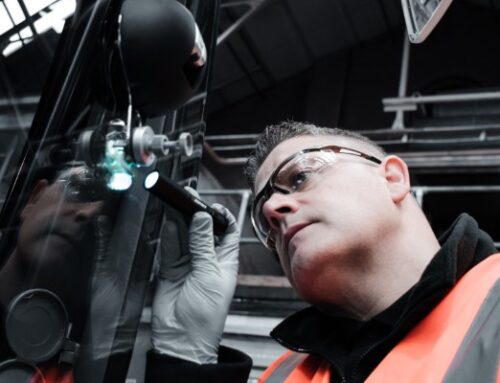
“Through our compliance auditing and training, we regularly reinforce the importance of effective daily walk-round checks.
“Defective lights, damaged mirrors, obscured cameras or missing reflective markings may appear minor, but each can compromise visibility and increase risk.
“When driver-detectable defects repeatedly appear on preventative maintenance inspection reports without being reported during daily checks, operators should question why.
“Is it inadequate training, poor supervision or a culture where checks have become routine paperwork rather than meaningful safety inspections? Identifying the underlying cause is essential to preventing repeat failures.”
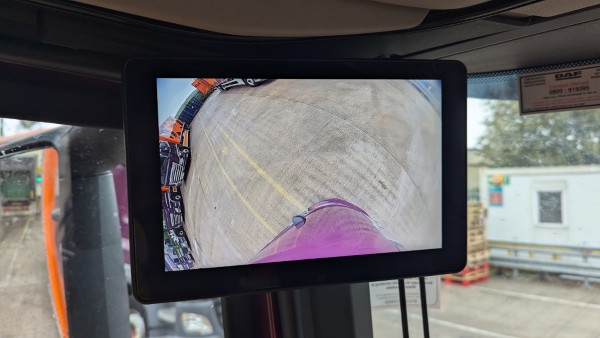 Pedestrians, cyclists and motorcyclists face particular risks around larger vehicles, adds ODSS, especially during turning and manoeuvring.
“Drivers must anticipate hazards, maintain effective observations and adapt their driving to the environment. For PSV operators, visibility and awareness are equally important when approaching bus stops, managing passenger movements and ensuring safe boarding and alighting.
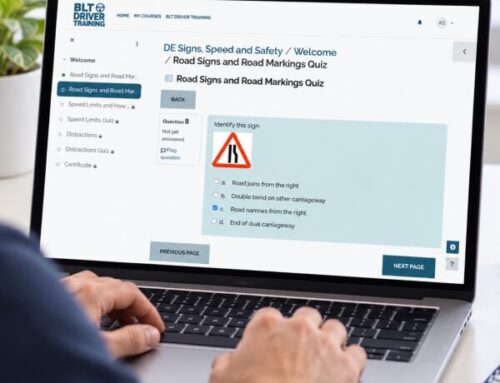
“Practical, relevant driver training helps reinforce these responsibilities and encourages safer decision-making.”
ODSS emphasises the need for directors, transport managers, supervisors and drivers to work together to identify risks, report concerns and act on lessons learned.
“Near misses, vehicle defects and incident reports provide valuable opportunities to improve safety before a serious collision occurs. For SME operators, improvements need not involve expensive technology or complicated systems. Clear communication, effective supervision, practical training and consistent follow-up can make a significant difference.
“Compliance with operator licence undertakings and DVSA requirements is essential, but genuine road safety goes beyond satisfying an audit.
“At ODSS, we support operators through practical training, compliance auditing and consultancy, helping businesses identify weaknesses and implement realistic improvements.
“Ultimately, road safety is demonstrated through everyday decisions, maintained standards and a willingness to act before something goes wrong. Because what we fail to see today could have serious consequences tomorrow.”