
More than a bulb: what is really behind a headlamp fault?
Diesel Technic’s Parts Specialists look at some of the components that may be responsible
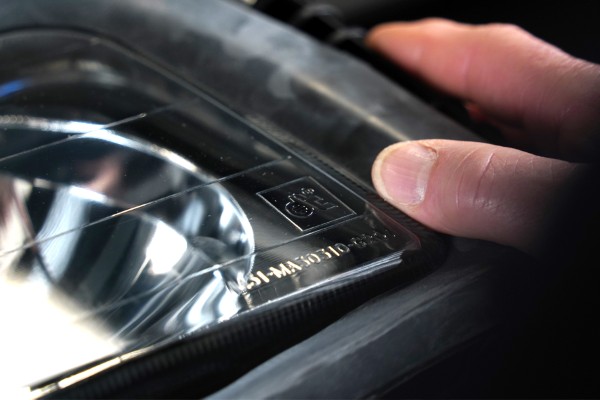 A driver reports that a headlamp isn’t working properly. The bulb is an obvious place to start. But if changing the bulb doesn’t solve the problem, it can be tempting to assume that the next step is a complete replacement headlamp.
In reality, there can be quite a lot between those two options.
A modern commercial vehicle headlamp is made up of a number of components and depending on what has actually failed or become damaged, it may be possible to repair the problem without replacing the complete unit.
As a commercial vehicle spare parts specialist, Diesel Technic sees just how many different components can sit behind a headlamp fault. Its DT Spare Parts range alone includes more than 250 headlamp-related products, available through the Diesel Technic Partner Portal. That figure gives some idea of just how many repair options can sit between simply changing a bulb and replacing a complete headlamp.
So, what might actually need replacing when a headlamp develops a fault?
The lens is damaged
Sometimes the problem is the most visible part of the headlamp. A stone chip or minor accident can damage the outer cover even though the rest of the unit is still serviceable.
For some applications, the cover lens can be replaced separately, avoiding the need to change an otherwise serviceable headlamp. It is a relatively simple example, but one that illustrates the wider point: damage to one part does not necessarily mean the whole unit has to go.
An LED has failed
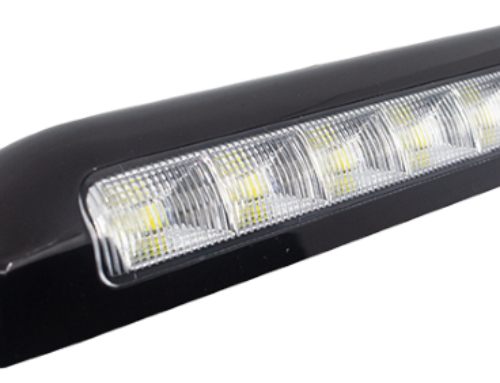
LED lighting can make that distinction less obvious. It is easy to assume that if part of an LED headlamp stops working, the complete assembly will need replacing.
But depending on the headlamp and application, repair kits are available for individual LED components. The question is not simply whether the headlamp works, but which part of it has failed and whether that part can be repaired or replaced separately.
The headlamp won’t adjust
Not every headlamp problem is about producing light, either. If a headlamp will not adjust correctly, the fault may lie with the electric height-adjustment motor.
These motors are another component that can be replaced separately on relevant applications. So a headlamp that still illuminates but no longer adjusts as it should may require attention without necessarily needing a complete new unit.
The xenon light isn’t working
With xenon lighting, there is another component to consider. Alongside the light source itself, the system uses a ballast, and replacement ballasts are available separately for relevant applications.
That makes accurate fault-finding particularly important. If a xenon headlamp stops working, simply changing the bulb – or jumping straight to a complete headlamp – could miss the component that is actually causing the problem.
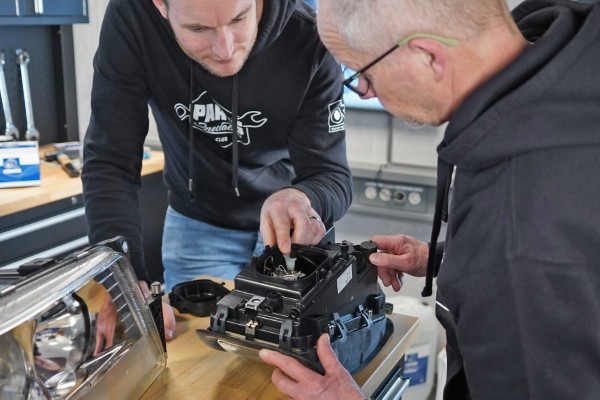 The fault is electrical
And sometimes the problem may not be with the lamp components at all. Wiring harnesses are also available as individual repair solutions for certain headlamp applications.
Again, the principle is the same: find the fault first, then decide what actually needs replacing.
The right repair for the fault
A complete replacement headlamp will sometimes be the right answer. But, as these examples show, it isn’t the only option when a headlamp develops a fault.
Whether maintenance is handled in-house or outsourced, the important thing is to establish what has failed and whether an individual repair solution is available before replacing the complete unit.
The Diesel Technic Partner Portal can be used to find suitable DT Spare Parts and repair solutions, while the Parts Specialists HelpDesk is available for further technical support.