
FTA warning on EU cabotage rules
 The Freight Transport Association (FTA) has warned that the further relaxation of EU cabotage rules would put UK hauliers at a disadvantage, following a recent report by the European Commission (EC) on the integration of Europe’s internal road transport market.
The EC report concluded that removing the remaining restrictions on cabotage would help the European economy and improve the environment.
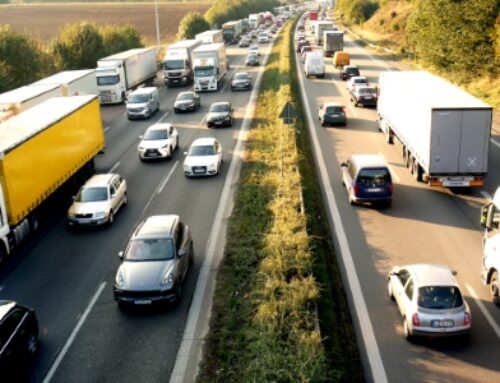
In a press release, the Commission said: “On any given day, almost a quarter of all trucks on Europe’s roads are empty, either on their way home or between loads. Opening national road transport markets to more competition would help reduce empty runs and increase efficiency in the sector, according to the report.”
The EC also cited a study by the European Parliament, which suggested that the annual cost of the remaining restrictions to cabotage is around €50m.
EC Vice-President Siim Kallas said: “The current rules are wasteful for European companies, impact on all road users and are bad for the environment. We need clear regulations for the industry and at the same time we need good working conditions for the drivers. I hope the next Commission will continue down this road.”
But FTA said it was “not the right time” to implement further relaxations. The association referred to research it had commissioned from NERA Economic Consulting, which showed UK freight operators faced higher costs than most other EU states, largely as a result of higher fuel duty despite recent freezes.
“Under these circumstances foreign-registered vehicles enjoy a competitive advantage, yet evidence suggests their compliance rates are not as good as UK operators,” added Karen Dee, director of policy at FTA.
“Whilst FTA is pleased that the EC report recognises that differences in costs bases remain across the EU, we do not believe that this is the right time for further liberalisation of the cabotage rules.”
She continued: “The recently introduced UK HGV Road User Levy [see front page] clearly will go some way to reduce the competitive situation. We strongly feel that there is still a long way to go to ensure that it becomes a level playing field for all.”