
FTA questions authorities’ readiness for tightened testing and O-licensing
 The Freight Transport Association (FTA) has responded to two recent Department for Transport consultations into the extension of operator licensing and vehicle testing regimes to currently exempt vehicle types.
The O-licensing consultation, launched before Christmas, proposed removing current exemptions for some special categories of vehicles, such as volumetric mixers.
Meanwhile, a parallel consultation proposed removing exemptions for annual vehicle testing from a wide range of special vehicle types.
While supporting the removal of all the exemptions, FTA said that its affected members were less concerned about their own capability to cope with the extension of the regimes – and more about the government’s.
Members “doubted DVSA’s ability to meet the increase in demands for tests,” said FTA, “and were concerned about being sent on a ‘paper chase’ by the Office of the Traffic Commissioner.”
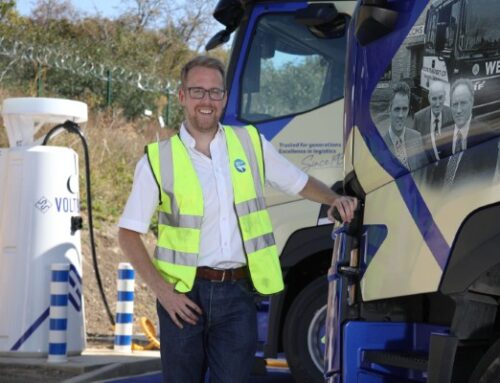
James Firth, FTA head of road freight and enforcement policy, said: “DfT estimates suggest that each proposal will bring another 40,000 vehicles into O-licensing and testing respectively – that is a 10 per cent increase in testing capacity needed in an already strained ATF network.”
He continued: “FTA members who operate vehicles affected by the proposed O-licence changes are happy with putting these vehicles onto their licences, therefore impacting factors like proving a larger financial standing and applying the same inspection and maintenance regime – many already do this voluntarily as best practice.
“What worries them is that when they have to apply for an increase in authorisation or a new operating centre, they are subjected to a forensic level of scrutiny of their operations by traffic commissioners, even when they have a good history of compliance.”
FTA has previously advocated the investigation of accrediting non-DVSA employees to conduct annual tests to increase capacity and flexibility – and has also questioned the appropriateness of the traffic commissioners’ “forensic approach” for all aspects of O-licensing.
“Traffic commissioners’ attention should be focused on cases, applications and variations where grounds exist to doubt the reputation of the operator to hold the licence,” FTA said in its submission to the traffic commissioners’ triennial review.
Meanwhile, the Road Haulage Association (RHA) also said it had responded in favour of proposals to remove some vehicle types from the testing and licensing regimes – claiming that because the vehicles in question were HGV chassis-based, their operators were often gaining a commercial advantage over members working elsewhere in the industry.
The DfT consultations into extending the list of heavy vehicles covered by the O-licensing and annual roadworthiness testing regimes have now closed, and responses are being considered.
But should the government press ahead with its initial proposals in full, current exemptions from annual test requirements will come to an end for at least some vehicles within the following categories: mobile cranes; breakdown vehicles; engineering plant and some related equipment; trailers for asphalt etc (drying or mixing plant); tower wagons; road construction vehicles; electrically propelled motor vehicles; “vehicles constructed or adapted for, and used primarily for the purpose of, medical, dental, veterinary, health, educational, display, clerical or experimental laboratory services”; HGV tractor units drawing exempt trailers; vehicles used for VSO or STGO work; and so-called ‘motor tractors’ and ‘heavy and light locomotives’. Modifications will also be made to bring exemptions for vehicles based in seven Scottish islands in line with a new EU directive.
Meanwhile, some engineering plant where material is carried and delivered on a commercial basis – including volumetric concrete mixers – will no longer be exempt from O-licensing requirements if the government maintains the view laid out in its proposals. DfT also sought views on whether to include recovery and breakdown vehicles, showman’s vehicles, mobile cranes and electrically operated vehicles within the scope of O-licensing.