
Fleet Focus: fighting faults with telematics data
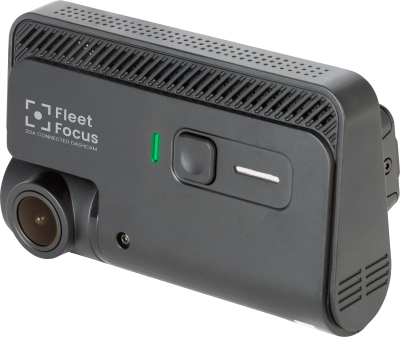 Telematics specialist Fleet Focus has explained how CAN bus telematics data can help identify vehicle faults before they turn into breakdown scenarios.
“If you’re still running your fleet on gut instinct and mileage-based servicing schedules, it’s time for a reality check,” said Fleet Focus.
“The DVSA has made it abundantly clear which way the wind is blowing – and it’s towards data-led enforcement. Operators who can demonstrate they’re actively monitoring their vehicles and acting on what they find will get an easier ride.
“Every modern truck and van runs on a Controller Area Network – the CAN bus. It’s the electronic nervous system that lets the engine talk to the brakes, the transmission chat to the emissions system, and everything report back to the ECU. Plug telematics hardware into this network and suddenly you’re not guessing what’s happening inside your vehicles – you know.
“We’re talking engine fault codes as they happen, not when the driver finally mentions that warning light that’s been on for a fortnight. Real fuel consumption figures, not optimistic estimates. Idling time, harsh braking events, emissions warnings – the lot.
“The old approach to maintenance – service it every 12 weeks or 10,000 miles, whichever comes first – made sense when we didn’t know any better. Now we do. CAN bus data lets you see problems developing before they strand a driver on the A14 at half past five on a Friday.”
A slight uptick in engine temperature, brake wear indicators creeping towards the red, DPF regeneration cycles getting more frequent – all these can be caught early thanks to CAN bus data, and a workshop visit scheduled. If left unnoticed, they could lead to premium rates for roadside recovery and missed delivery deadlines.
Danny Baker, fleet manager at Westminster Waste, reports that he has seen the difference first-hand.
“We’ve cut our roadside breakdowns by nearly 40 per cent since we started using the system properly,” he said.
“When you can see a fault code developing before it becomes a breakdown, you can plan around it. That’s saved us a fortune in recovery costs, but more importantly it’s kept our vehicles where they should be – out working.”
When it comes to enforcement, Fleet Focus emphasises the importance not only of ensuring vehicles are roadworthy today, but that systems are in place to keep them that way.
“The DVSA’s risk-based approach rewards operators who can demonstrate proper oversight and penalises those flying blind,” said the firm.
“CAN bus telematics gives you that evidence trail. Faults logged, actions taken, timestamps recorded. When an inspector asks how you monitor vehicle health, you’ve got chapter and verse – not a shrug and a promise to check the maintenance file.”
Charlotte Le Maire, founder and partner at LMP Legal, commented: “What we’re seeing here isn’t new law, but a much firmer line from government. Driving for work is being treated explicitly as a workplace risk, not just a transport issue. For fleets, that means collisions are increasingly likely to trigger scrutiny not just of the driver, but of the business systems behind them.
“Telematics and advanced driver assistance systems can be powerful safety tools, but it cuts both ways. If a business holds data showing repeated speeding, fatigue or risky behaviour, the question after a collision will be: what did you do about it? Collecting data without acting on it can create liability rather than reduce it.”
Fleet Focus urges van operators to take note.
“The days of LCVs slipping under the regulatory radar are numbered. The smart money is on adopting HGV-level discipline now, before it becomes mandatory.”
It also highlights the role of CAN bus telematics in driver monitoring. Driver behaviour data is valuable, it says, but not if it just sits in a report reviewed days after the event. The real opportunity is intervening at the moment it matters.
“Many fleets are still approaching safety reactively – reviewing incidents after they’ve happened and using that insight to reduce future risk,” said Graham Plummer, commercial director at Fleet Focus.
“We’ve taken a different approach. Our focus is on intervening at the point it actually matters: before an incident occurs. If a driver shows signs of fatigue at 3am on the M1, the value isn’t in a report reviewed days later. It’s in an immediate alert, delivered in-cab, at that moment.”
Fleet Focus also monitors fatigue risk trends over time, giving operators clear visibility of recurring patterns across drivers, locations and routes.
“That way, fleets can make informed decisions to reduce risk before it escalates,” Plummer added. “That’s what real-time intervention looks like in practice – and why it has a meaningful impact on safety and saving lives.”