
Welch Transport drives connected compliance with Aquarius
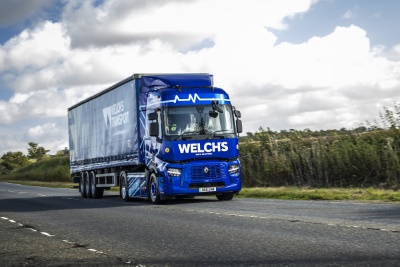 Welch Transport has been using connected compliance data to strengthen operational control and modernise day-to-day decision-making, through a long-standing partnership with software provider Aquarius IT.
As the industry places increasing emphasis on proactive compliance management, the East of England operator has expanded its digital ecosystem to ensure that driver, vehicle and operational information is aligned in real time.
Welch Transport, a family-run business with more than 90 years of experience in haulage, pallet networks and specialist movements, now views integrated compliance technology as essential to running a safe, efficient and resilient fleet.
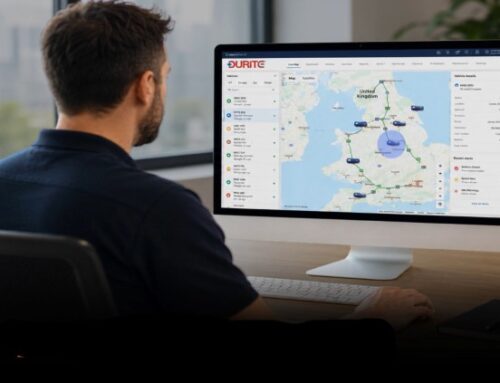
The working relationship has progressed from early IT support into a fully connected compliance framework centred on Aquarius’s award-winning ClockWatcher Elite platform and its integrated Asset Maintenance solution.
These systems integrate with Qargo’s transport management platform and Clarus’ warehousing solution, creating a continuous flow of information between planning, dispatch, the workshop and compliance teams.
The real value, says Aquarius, comes from having all three systems working together so staff across the operation are looking at the same live picture.
Jamie Sands, head of transport and compliance at Welch Transport, says this connected view has transformed planning accuracy. He explains that the key integration is around drivers and vehicles. ClockWatcher Elite provides live compliance data, including licence status, working time and tachograph information, which feeds straight into Qargo so planners immediately know which drivers and vehicles are clear to go. Clarus passes dispatch information into Qargo, which in turn links back to Aquarius for checks such as vehicle defects and maintenance schedules.
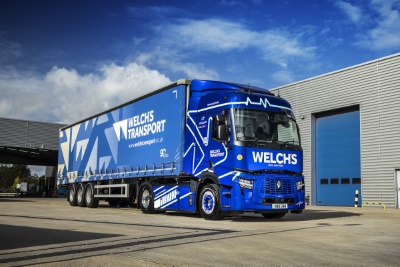 Jamie adds that Asset Maintenance and ClockWatcher Elite flag service schedules or defects in advance, helping planners avoid allocating work to unavailable trucks and removing much of the guesswork from scheduling.
He acknowledges that the hardest part of the project was aligning data across three very different systems, and says Aquarius made the transition far easier because they understand how operators use data day to day and ensured the integration was practical for users on the ground, not just technically correct.
The partnership works, he says, because Aquarius listens and adapts to what operators need, and that connected data is no longer optional in road transport but a fundamental requirement.
Mark Johnston, managing director at Aquarius, says Welch Transport demonstrates how integrated compliance can evolve from an administrative task into a strategic operational asset. Their focus on connected data has influenced ongoing system development, he adds, and now allows teams to make faster and more accurate, data-informed decisions that enhance planning accuracy, fleet utilisation and audit readiness.
Jamie Sands confirms that the benefits extend beyond compliance, delivering measurable business efficiencies by reducing duplication, lowering operational risk and improving the overall cost-effectiveness of day-to-day fleet management.
Looking ahead, Welch Transport expects further gains as predictive compliance and deeper automation continue to advance with technology. Jamie believes the future will be defined by how effectively operators can connect compliance, planning and operations into one unified flow that strengthens control and unlocks greater value for customers.