
Cutting NOx emissions with Bosch
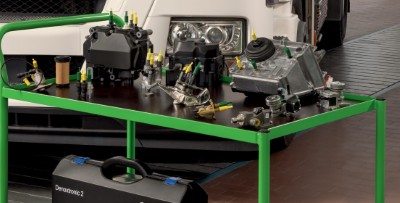 Bosch has played a central role in diesel technology since the earliest diesel vehicles, and its Denoxtronic exhaust‑gas treatment systems have become a key component in modern diesel engines.
Denoxtronic systems inject an aqueous urea solution (AdBlue) into the exhaust stream. When combined with an SCR catalytic converter, this process converts harmful nitrogen oxide (NOx) into water and nitrogen.
Introduced for trucks in 2004, Denoxtronic has undergone continuous development to meet evolving regulatory requirements. Around 18 million Denoxtronic systems are built into commercial, construction and agricultural vehicles around the world.
In addition to compliance with NOx emissions standards, cited advantages include fuel-saving engine design and proven robust technology.
Bosch says its comprehensive exhaust-gas treatment service programme offers diesel experts a high degree of flexibility and the opportunity to serve a key market, since many vehicles with high mileages are equipped with the technology.
“This also increases the demand for services and cost-effective system repairs. To cater to the needs of this diverse market, Bosch has developed a service programme for its aftermarket.
“The Denoxtronic field maintenance process is simple and logical: testing of the components according to manufacturers’ specifications, replacement of defective parts and final testing to verify functionality. Bosch provides everything from a single source: equipment, tools and the software that are required for efficient and time-saving service.
“Regardless of whether it is the replacement of defective modules or comprehensive repairs that are needed – every workshop can carry out comprehensive diagnostics and replacements of the Denoxtronic components…
“Thanks to many years of experience and expertise in original equipment, Bosch also offers the aftermarket a wide range of efficient diagnostics, replacement, and service solutions for exhaust-gas treatment. This enables the workshop to carry out service easily and efficiently through precise diagnosis and clear identification of defective components as well as the rapid replacement of Denoxtronic modules.”