
Vertellus turns focus on fleet replacement
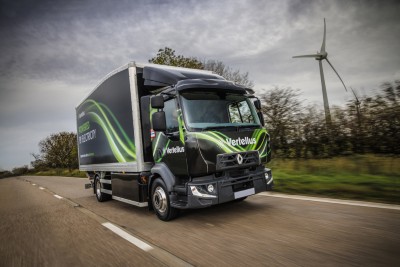 CV contract hire specialist Vertellus has outlined the practical factors it believes are shaping fleet replacement strategies in 2026, and offered its perspective on how operators can stay in control.
“While traditional replacement benchmarks still provide a useful reference point, in 2026, decisions are increasingly going to be influenced by external pressures as well as internal policy,” said Vertellus managing director Rhian Burrell.
“Now is a sensible time for operators to review not just when vehicles are replaced, but how replacement strategies are structured.”
Unlike major emissions step changes in the past, 2026 does not bring a single regulatory deadline that forces wholesale fleet renewal, says Rhian.
“Instead, it’s the steady build-up of decarbonisation pressure, reporting expectations and evolving vehicle standards that is shaping timing.
“Many larger businesses are now required to report their full carbon footprint – including emissions generated across their supply chain. As a result, transport operators are increasingly being asked to provide clearer information about fleet emissions, vehicle age and fuel type.
“Even where operators are not directly required to report Scope 3 emissions themselves, customer expectations are shifting. Emissions performance is appearing more frequently than not in tender documents and contract reviews, making the fleet profile a normal part of commercial discussions.
“Clean air zones are also an established operational consideration for urban and regional work. Most fleets are already compliant, but replacement planning now needs to factor in longer-term flexibility, ensuring vehicles remain suitable as routes or customer requirements evolve.”
When the Vertellus team sits down with operators to review replacement plans, the discussion rarely starts with age, says Rhian, but more often with performance.
Typical considerations include service and maintenance costs, and whether downtime can be absorbed within delivery schedules. Discussions will also focus on whether vehicles are still suited to their routes, payloads and compliance needs, and whether replacement now would reduce operational or commercial risk over the next contract cycle.
“Telematics data plays an important role here, allowing vehicles to be assessed individually rather than as fleet averages,” said Rhian.
“This supports targeted replacement decisions – replacing the right vehicles at the right time, rather than applying a blanket approach across the fleet.”

Rhian Burrell, managing director at Vertellus
Clean air zones and emissions standards are no longer new developments, she observes – they are part of everyday planning.
“The challenge now is flexibility. As contracts change and routes evolve, operators need confidence that vehicles can be redeployed without cost implications or compliance concerns. Replacement strategies that build in headroom help avoid being boxed in by minimum standards later in a vehicle’s life.
“Taking a proactive approach reduces the risk of sudden change driven by regulation or customer demand.”
Replacement decisions are often framed around capital spend, but timing can be just as important, Rhian contends.
“Replacing vehicles before maintenance costs rise sharply, or before compliance requirements begin to limit operational flexibility, helps protect uptime and cost certainty. It can also reduce exposure to residual value risk as older vehicles become harder to place in the secondary market.
“This is why many operators are moving towards planned, predictable replacement points rather than extending vehicle life by default.”
The structure of replacement programmes is increasingly part of the conversation.
“Staggered renewal strategies allow operators to maintain consistency across the fleet, introduce new technology gradually and avoid spikes in expenditure or resource demand. Contract hire supports this model by fixing costs, removing resale uncertainty and aligning replacement cycles with how vehicles are actually used.”
Electric vehicles are now being deployed by many fleets, she reports, but typically in targeted applications rather than as full fleet replacements.
“Most operators are introducing EVs in ones and twos – on defined routes, urban operations or specific contracts – while wider questions around infrastructure, payload, range and cost continue to be worked through.
“This phased approach allows fleets to build real operational understanding without overcommitting too early. In parallel, modern Euro VI diesel vehicles continue to play a critical role across many duty cycles, providing reliability and compliance while longer-term electrification plans develop.”
Vertellus works alongside national and regional operators managing mixed HGV and LCV fleets across the UK.
“By combining contract hire with OEM-backed support from Renault Trucks and its nationwide dealer network, we help operators plan replacement strategies that prioritise uptime, compliance and cost certainty – while remaining flexible as requirements continue to evolve,” Rhian concluded.