
Mercedes-Benz Trucks: making measurable uptime gains with telematics
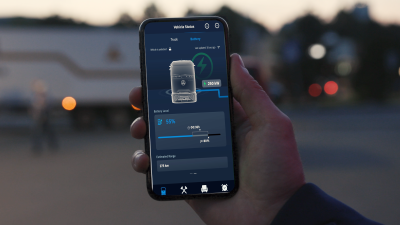 Mercedes-Benz Trucks has highlighted the central role telematics plays for modern HGV operators, having evolved far beyond vehicle tracking.
It now plays a central role in fuel optimisation, downtime reduction and proactive fleet management, the truck manufacturer points out – particularly as operators face rising operating costs and increasing pressure to maximise vehicle availability.
“At Mercedes-Benz Trucks, telematics forms part of a wider ecosystem designed to support measurable uptime improvements across commercial vehicle fleets,” said the company.
“Modern HGVs generate significant volumes of performance data – from fuel consumption and driver behaviour to vehicle health and service requirements.
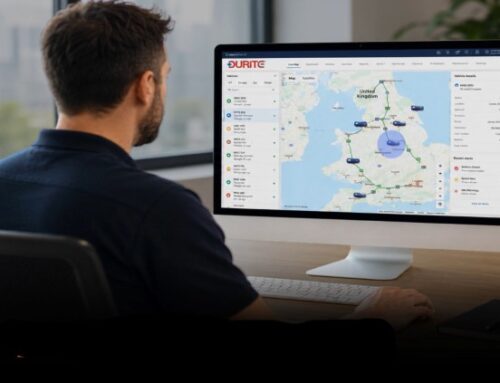
“Through digital fleet management platforms such as Fleetboard, Uptime and My TruckPoint, operators can access real-time vehicle status, service planning information, equipment overviews and document storage in one place. Live reporting enables fleet managers to monitor trends, identify anomalies and make informed decisions quickly.
“Importantly, My TruckPoint also allows the integration of vehicles from other manufacturers. For many UK HGV operators running mixed fleets, this multi-brand visibility supports more consistent reporting and simplified administration across all assets.”
With fuel remaining one of the largest cost pressures for HGV fleets, telematics enables operators to monitor factors such as idling time, harsh acceleration and braking, route efficiency and vehicle performance trends, says Mercedes-Benz Trucks.
“ By identifying patterns and supporting targeted driver feedback, fleet managers can deliver incremental improvements in fuel efficiency. Across larger fleets, even modest percentage gains can translate into significant annual savings.
“Telematics data can also highlight issues that impact fuel consumption – such as developing mechanical faults or performance irregularities – enabling early intervention before costs escalate.”
Unplanned downtime is both costly and disruptive – but live vehicle health monitoring allows fleet managers to identify fault codes and maintenance requirements at an early stage, says the manufacturer, supporting planned workshop visits rather than reactive roadside repairs.
Proactive maintenance scheduling helps to reduce vehicle off-road time, improve workshop planning, increase first-time fix rates and minimise operational disruption. Integrated service visibility also enables operators to align maintenance with operational schedules, helping protect peak vehicle availability.
“Uptime is not simply about preventing breakdowns – it is about ensuring vehicles remain compliant, serviceable and revenue-generating,” said Mercedes-Benz Trucks.
“Digital fleet portals provide transparency around upcoming services, maintenance history and documentation, supporting both operational control and regulatory compliance. For fleets operating across multiple sites, centralised visibility reduces reliance on manual reporting and enhances overall oversight.
“’As HGV fleets become increasingly data-driven, the focus is clear: telematics must deliver measurable operational value. By turning vehicle data into actionable insight – and integrating it within a broader support framework – operators can move from reactive fleet management to a more predictive, efficiency-led approach.
“For today’s commercial vehicle operators, telematics is no longer just about information. It is about protecting uptime, controlling cost and improving performance across the fleet.”