
BPW idem Telematics rolls out Brake Trak Pro
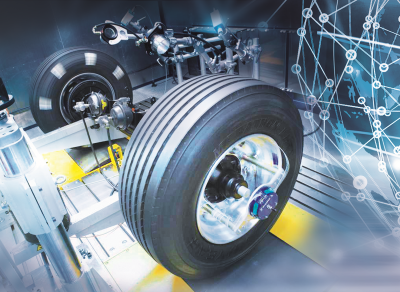 BPW idem has launched a digital trailer telematics solution that is said to enable real-time fleet management, optimise operational efficiency and reduce downtime for transport operators.
The new vehicle safety platform, Brake Trak Pro, offers fleet operators a range of options to lower operating costs, improve compliance and increase uptime. It also provides workshops and technicians with the benefits of automated reporting, earlier fault detection and reduced disruption to inspection routines.
“At the heart of Brake Trak Pro is an electronic brake performance monitoring system,” said BPW.
“Compliant with the current Driver and Vehicle Standards Agency (DVSA) regulations as set out in the DVSA Guide to Maintaining Roadworthiness, this in-service brake monitor can automatically generate a brake performance report aligned with a fleet’s maintenance schedule. A meaningful brake report can serve as an alternative to laden roller brake testing, reducing the need for testing to one during the annual MOT inspection.
“The Brake Trak Pro platform also supports scalable features, including a tyre pressure monitoring system (TPMS), brake lining wear sensors, and individual wheel station sensing.
“The BPW idem TPMS continuously monitors tyre pressure and temperature to improve safety, efficiency, and performance. Fully compliant with UN ECE 141 regulations, the system transmits live tyre data directly to the truck via the electronic braking system (EBS), enabling immediate driver alerts and reducing the risk of costly tyre blowouts.
“Brake lining wear sensors help determine when the friction material is approaching the wear limit, optimising its use and preventing premature or delayed replacement.
“Individual wheel station sensing delivers next-level diagnostic capabilities to fleets, enabling them to pinpoint poor brake performance to specific brakes. Together, these features can maximise trailer uptime, enhance on-road safety, support compliance obligations, and reduce total operating costs by enabling earlier fault detection and smarter maintenance decisions.”