
Study: safety tech onboarding is key to maximising driver buy-in
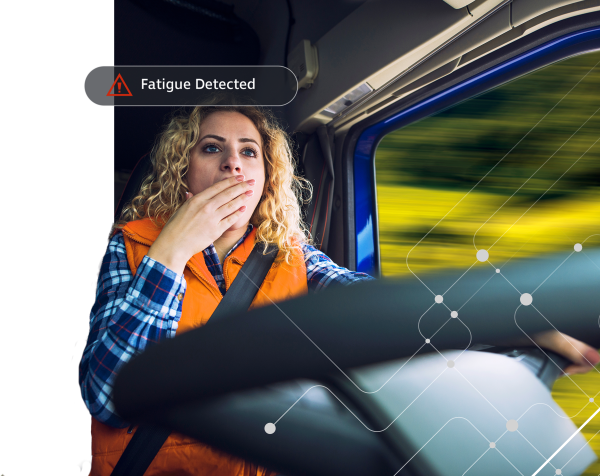 New research by fleet management specialist Teletrac Navman has suggested that well-prepared drivers are three times more likely to rate safety coaching technology as highly effective, underlining the importance for operators of ensuring driver onboarding processes are up to scratch.
The study found that safety technology onboarding for drivers is widespread across fleets, but that quality is far from consistent. The ‘Mobilising the Future of Fleets Report: Driver Coaching Edition’ found that drivers who felt well-prepared were three times more likely to rate their coaching solution as highly effective (74 per cent) compared to those whose preparation was lacking (19 per cent), yet 1 in 5 reported technology being installed with little or no communication from management.
“Technology alone doesn’t drive safety outcomes, preparation does,” said Alain Samaha, CEO of Teletrac Navman.
“Monitoring technology is most successful when it balances fleet goals and driver needs, and that starts with strong onboarding. Organisations that prioritise the people element see the real payoff: safer drivers, fewer claims, and a workforce that sticks around.”
Privacy was among driver concerns highlighted in the report: unclear data-use policies made surveillance the top issue for almost half (45 per cent) of those surveyed. Meanwhile, 3 in 10 said that clear evidence that technology was being used to protect rather than simply watch drivers would actively encourage them to stay with their current employer.
According to the report, this mistrust persists after rollout when rules remain vague, leaving drivers supportive of safety improvements but fearful of unfair enforcement.
“If an operator finds itself in a difficult position with its drivers, providing visibility of personal data is essential to rebuilding trust,” continued Samaha.
“Drivers are not anti-technology, but they will be sceptical without transparency around data processing and management, and how it will affect them.”
Driver confidence improves significantly when they have clear data visibility: 47 per cent state that the ability to view their own data easily would build their trust, while 43 per cent emphasise the importance of fair and consistent use of data across all drivers.
Driver apps are a highly practical access route for this, says Teletrac Navman, with 60 per cent of drivers highlighting apps as their preferred option. Always-on visibility reassures drivers about what is being captured, while clear rules of engagement explain why data points matter and how they will inform constructive conversations with managers.
 According to the report’s findings, recognition remains a primary retention motivator, with 37 per cent citing it as a factor for staying with an employer. However, a significant gap exists. While 99 per cent of drivers receive feedback, only 51 per cent report getting positive recognition, while 32 per cent experience disciplinary action.
Proactive feedback, such as scorecards and performance breakdowns, improves driving quality and workplace pride for 52 per cent of drivers, the study found – more than double the impact of financial bonuses (21 per cent). Over half of drivers (56 per cent) who receive real-time in-cab coaching rarely experience a near miss, compared with 47 per cent of those without real-time alerts in place.
That difference – almost 1 in 5 are less likely to experience a near-miss – highlights the benefit of not just reviewing video clips days after an event but helping drivers correct risky behaviours in the moment before they escalate, says Teletrac Navman, supporting a reduction in claims.
The research demonstrates how accidents and collisions can affect a driver’s confidence as well as a business’s bottom line. More than a third (38 per cent) of drivers suffer increased stress or anxiety after a negative event, and 17 per cent report a reduction in confidence. 25 per cent of respondents were concerned a negative event could lead to the loss of their licence, while 20 per cent feared formal disciplinary action, and 17 per cent were concerned about financial penalties.
“Drivers returning to the cab with eroded confidence, or second-guessing decisions due to feeling more anxious, may face a higher risk of future incidents,” added Samaha.
“Choosing the right safety system with real-time capabilities, and building trust in it, is therefore imperative for driver wellbeing as well as operational performance.”