
Randox: drug and alcohol testing is key to safety-first culture
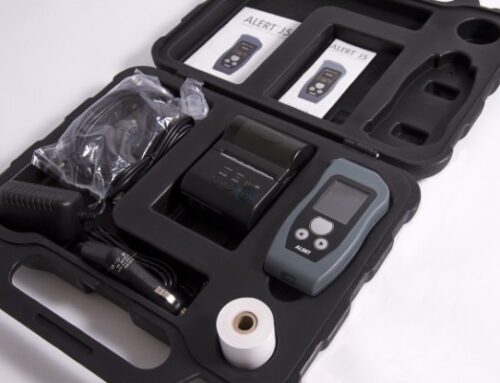
 Randox Testing Services has highlighted the key role robust alcohol and drug testing procedures play in modern transport safety systems.
Every day, transport operators take on a huge responsibility, says the company: keeping people and goods moving safely and efficiently.
“In such a high-stakes environment, the fitness of drivers, operators and maintenance staff can never be left to chance… It’s not about punishment or mistrust, but about safety, accountability and professionalism,” said Randox.
Professional drivers and workshop teams work under constant pressure, the company points out – meeting tight schedules, managing fatigue, and adapting to unpredictable road conditions – and while most do so with professionalism and care, substance misuse remains a risk no operator can ignore.
The company cites figures from nationwide enforcement campaign Operation Limit, indicating the scale of the challenge: during the 2024-25 festive period, 58,675 roadside drug and alcohol tests were conducted across the UK, resulting in 6,931 arrests for driving under the influence.
“These numbers reflect a troubling rise in impairment-related offences and underscore the need for proactive safety measures,” added Randox.
The company emphasises the responsibilities of drivers under the law: driving or attempting to drive while unfit through drugs or alcohol is a criminal offence. It also highlights employers’ duty of care to staff under health and safety legislation. A single impairment-related incident can lead to far-reaching consequences: loss of life, damaged assets, revoked licences, and lasting reputational harm.
“For commercial operators, one event can also mean lost contracts and insurance complications.
“Drug and alcohol testing helps prevent these outcomes before they happen. It demonstrates proactive risk management and strengthens compliance with legal and regulatory expectations.”
 There is a common misconception that testing creates tension or shows a lack of faith in staff, says the firm: rather, it builds confidence – both within the workforce and across the wider supply chain.
“When implemented properly, testing becomes a shared commitment to safety.
“Drivers know their colleagues are held to the same standards, and customers gain reassurance that the operator takes responsibility seriously.
“A good testing policy should cover pre-employment, random, post-incident, and for-cause testing, clearly outlining how and when it applies. Communication is key. If staff understand the purpose and the process, they’re far more likely to support it.
“It’s not about punishment. The most effective operators take a balanced approach that includes access to support and rehabilitation. Helping someone overcome a problem is better for everyone than losing a trained, experienced employee.”
Embedding testing within a safety-first culture is key, Randox adds.
“Even with the right tools and policies, testing only works when it’s part of a wider culture of responsibility. Safety should never be treated as a compliance exercise; it should be part of an operator’s identity.
“Leaders play a crucial role in setting the tone. When managers talk openly about safety, wellbeing, and accountability, it encourages staff to do the same. Training, awareness campaigns, and employee assistance programmes can all reinforce this message.
“The most successful transport businesses treat testing as a positive measure – a way of looking after staff and the public alike. Over time, it becomes something people are proud to be part of, not something to fear…
“Customers, insurers, and regulators all expect evidence of strong safety systems, and drug and alcohol testing is an important part of that picture. Operators who invest in robust testing programmes are sending a clear message: that their business values professionalism, integrity, and the wellbeing of everyone on the road.
“The return on that investment is clear – fewer accidents, reduced downtime, and greater trust from clients and the community.
“The transport sector runs on reliability and responsibility. Testing isn’t just about compliance; it’s about care. It shows a commitment to doing the right thing – for staff, for customers, and for everyone who shares the road.
“Safety starts long before the engine is switched on. It begins with preparation, awareness, and a clear mind.
“By embedding drug and alcohol testing into everyday operations, the industry can continue to move forward with confidence and pride in the professionalism that defines it.”