
Aquarius IT: how tachograph analysis is evolving
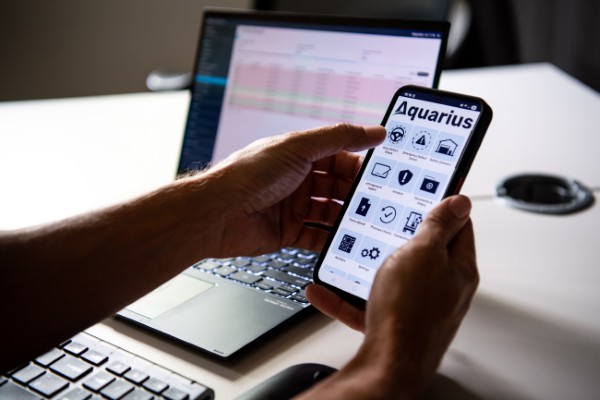 For transport operators, tachograph analysis has traditionally been associated with identifying infringements and helping demonstrate compliance with drivers’ hours rules. But as both transport operations and the technology supporting them have developed, says Aquarius IT, analysis is increasingly about something more: giving operators the information they need to understand why something has happened.
The company, which has been developing its ClockWatcher Elite tachograph analysis software for more than 20 years, says the role of analysis software has evolved significantly during that time. Changing legislation is inevitably part of that development, but so too are the practical challenges encountered by operators every day. Increasingly, compliance teams need to be able to interrogate information, investigate exceptions and understand the context behind an alert rather than simply being told that one has occurred.
Marc Caplin, compliance manager at Aquarius IT, said: “Transport compliance doesn’t stand still, so the software supporting operators can’t stand still either. Tachograph analysis shouldn’t simply tell an operator that something has happened. The real value is helping them understand what happened, when it happened and giving them the information they need to investigate it properly.”
A missing mileage alert, for example, does not necessarily mean that mileage is genuinely unaccounted for. A driver card issue, vehicle change or incomplete download could potentially explain what has happened. Similarly, information which might appear insignificant when viewed in isolation – such as a driver card being inserted or ejected, or a small vehicle movement – can provide valuable context when an operator is trying to reconstruct a sequence of events.
Marc continued: “When you’re dealing with large volumes of tachograph data, context matters. Something that initially looks like a compliance issue may have a perfectly legitimate explanation, but operators need access to the right information to establish that.
 “The more easily you can investigate the detail behind an alert, the quicker you can understand what’s actually happened and decide whether any action is required.”
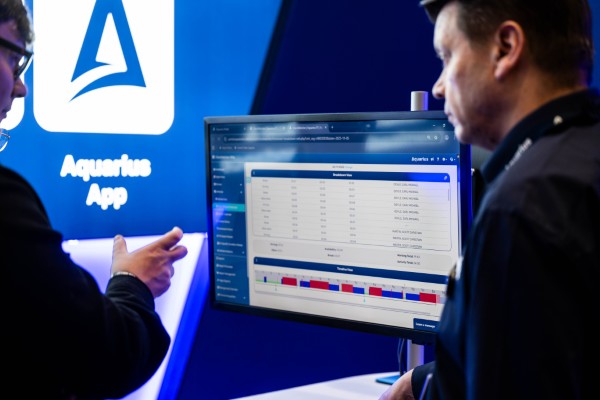
One of the developments helping operators investigate tachograph information more effectively is the increasing use of visualisation, says Aquarius. Rather than requiring users to work through rows of individual events, visual timelines can present driver activity chronologically, helping compliance teams compare events, identify patterns and establish the sequence in which activity occurred.
The firm has incorporated this approach into ClockWatcher Elite through its Timeline Comparison functionality, which allows driver activity to be viewed and compared visually.
Marc said: “A list of events tells you what happened, but seeing those events on a timeline can make it much easier to understand when they happened and how they relate to one another.
“That’s particularly useful when you’re investigating a query and trying to piece together the bigger picture.”
The evolution of tachograph analysis is not solely being driven by regulation or technological advances, says Aquarius: many of the enhancements made to ClockWatcher Elite over the years have originated in conversations with transport operators themselves – sometimes prompted by a customer identifying a particular challenge, asking for additional information or suggesting a different way of viewing existing data.
Working with operators across different parts of the transport industry can also highlight common challenges, with an idea originating in one sector potentially providing a useful solution for customers elsewhere.
Marc explained: “Some of the most useful developments don’t start with somebody sitting down and deciding that the software needs another feature. They start with a conversation with an operator.
 “A customer might ask, ‘Could it also do this?’ or explain how they’re investigating something and where the process could be easier. Those conversations are incredibly valuable because they show us how people work with the data in the real world.”
For operators, the challenge is not necessarily a shortage of data, says Aquarius: modern fleets can generate significant volumes of compliance information, but the greater challenge is being able to find, interpret and act upon the information that matters.
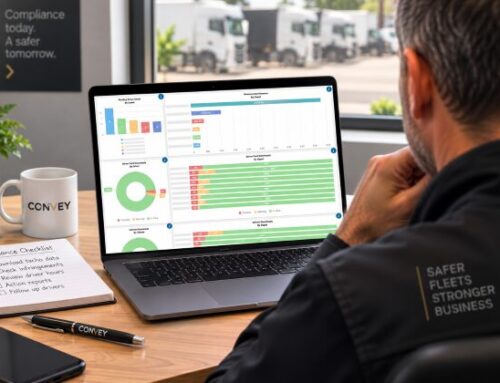
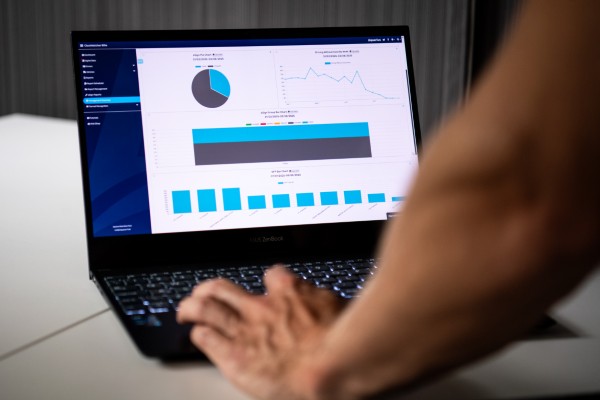
That means software development is increasingly focused not simply on adding functionality, but on making complex information easier to navigate and understand. For Aquarius, this has included clearer visual reporting, dashboards and refinements designed to help users find the information they need more quickly, without requiring them to be technical experts.
Marc concluded: “The objective shouldn’t be to keep adding functionality for the sake of having more features. It should be about making compliance easier for the people responsible for managing it every day.
“Ultimately, good tachograph analysis should help operators get from an alert to an answer more quickly and confidently. As legislation, technology and operating practices continue to change, the systems supporting compliance have to continue evolving with them.”