
Look at legalities before considering autonomous vehicles, conference warned

Elliott Kenton of Weightmans
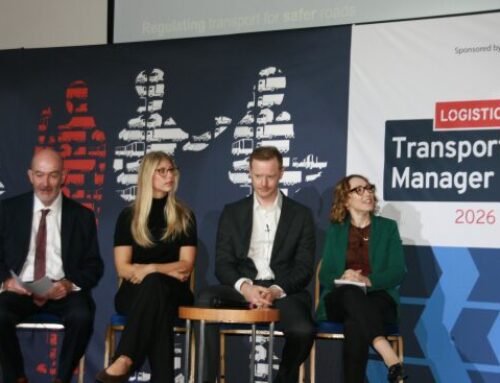
The legal implications of the future operation of Level 4 and 5 autonomous vehicles came under scrutiny at the Logistics UK Transport Manager conference.
In a hypothetical case set five years in the future, Elliott Kenton and Chris Powell of Weightmans solicitors set out a fictional scenario in which a vehicle with a person in the cab was operating autonomously on a motorway. The legal conditions under which it is operating are clear: when it comes off the motorway the ‘person in the cab’ becomes the driver and must take full control.
But that doesn’t happen in this case. The truck continues to drive autonomously when it is taken off the motorway by a diversion. It then hits and kills a cyclist.
Subsequent examination reveals the truck is overdue a software update, one sensor is faulty, and another muddy.
The solicitors pointed out there were multiple layers of complexity in what would be a very complex case: the driver, the vehicle operator, and technical suppliers could all be held liable.
Operators interested in exploring the introduction of autonomous vehicles should look very carefully at how they were ‘onboarded’ with reference to relevant legislation.
“The time to take an interest in the legal aspect of autonomous vehicles is at the start of the acquisition process,” the solicitors warned.
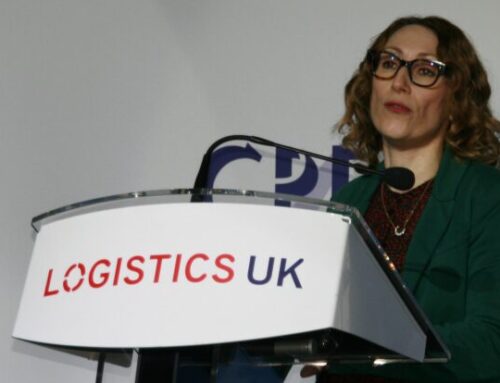
Tasha Aloni, head of commercial vehicle enforcement policy at the DVSA, reminded delegates that although technology was advancing fast the fundamental principles were unchanged and operators’ responsibilities remained.
Pilot trials of autonomous vehicles were starting in the UK, and current ‘user in charge’ models could move to fully-autonomous Level 5 ‘no user in charge’ operation.
But key issues remained. Passing an MOT test did not remove responsibility for the vehicle’s mechanical roadworthiness. Using electronic maintenance reports and driver inspection records still required the operator to confirm that the data gathered was accurate.
DVSA would continue to work with the industry and focus on those operators, drivers and vehicles who posed the greatest risk to road safety, she said, and the agency was focused on making the cost of non-compliance greater than the cost of compliance