
Descartes: how streamlining compliance can unlock efficiency
 The downloading of tachograph data and streamlining of compliance management is one element of transport operations that could have a significant impact on optimising customer experience as fleets get to grips with the changes on the sector wrought by Covid-19, according to software provider Descartes.
“Fortunately, a large proportion of the country has the ability to work from home, with 46.6 per cent of the UK population doing so during April,” said Andrew Tavener, head of marketing UK at Descartes.
“This has had a significant impact on the use of transport, with research showing that over a third of commuters will now only travel via private means. This shift has a resultant impact on the level of road traffic, meaning that commutes are even busier with more private vehicles on the road, and the hopes of a greener short-term future dashed.”
While cycling is one greener form of transport that has grown in popularity, says Andrew, it has led to an increase in the number of bike lanes, walk/cycle-only zones and inner-city congestion fines that slow down transport and add extra delays and obstacles to logistics schedules.
Customer expectations of deliveries when and where they want them have grown considerably over the last year, he adds, and online delivery is more popular and necessary than ever, putting further pressure on fleets.
Transport operators therefore need to optimise their processes and make every element as efficient and streamlined as possible – both to save time in current operations, but also potentially to unlock additional capacity to fulfil rising demand.
“One element that can impact efficiency levels for transport operators is compliance management,” Andrew continued.
“In many cases, not only is the manual process of downloading and accessing tachograph data inefficient, companies are also unable to maximise use of this data to rapidly highlight and address key operational problems.
“The value of this timely and accurate digital data can be quickly lost due to the amount of time it takes to download the data and analyse it, so important operational problems may be dealt with days or weeks after the event.
“The dedicated review required to spot any unaccounted mileage of a vehicle for instance, and then evaluate the cause, across even small fleets, is incredibly time consuming.
“In addition, how easily can businesses spot where there are drivers with nine or more penalty points that risk being banned, therefore creating potential driver shortages? Can they spot a spike in penalties and take consequential action as a result, such as training or altering delivery schedules accordingly?”
Manual downloads of tachograph data are both time consuming and disruptive, he adds, with operators potentially spending 20 to 30 minutes per vehicle each week downloading tachograph data.
“Given the route optimisation process has to include drivers’ hours compliance and the pressure on driver resources, this unproductive time is both frustrating and expensive.
“Instead, automatic remote download is the smart way to download tachograph data. Operators are required to download driver card data within 28 days and vehicle unit data within 90 days to be compliant with regulations.
“However, it makes sense to download driver card data daily and VU data weekly to spot any issues such as unaccounted distance and drivers’ hours infringements to deal with them before they become a bigger problem.”
With the addition of a mobile app to support vehicle safety checks, operators can both ease the enforcement process and create a deeper compliance information resource, Andrew contends.
“In addition to the obvious time savings associated with this automatic and remote download model, digital access to this data opens the door to a far smarter approach to compliance management,” he continued.
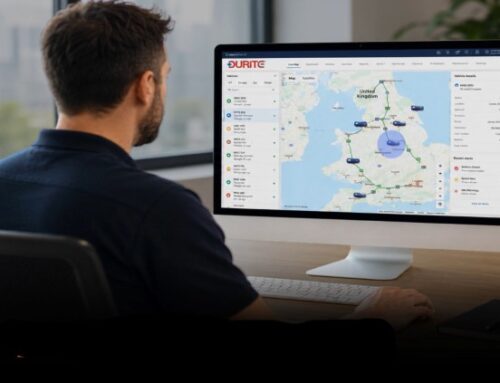
“Combining digital tachograph analysis and reporting, driving licence and Driver CPC verification with the DVLA plus digital driver vehicle safety checks, all in one location, results in a single source of compliance data, enabling companies to leverage automation and move from reactive to proactive management by exception.
“For example, automated processes for analysing vehicle and driver tachograph data ensures any unaccounted distance is immediately flagged to the transport manager.”