
Pailton prepares electric steering column prototype
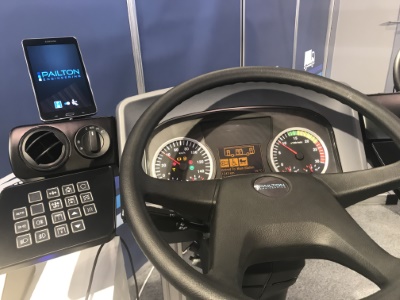 PSV steering specialist Pailton Engineering says it is working towards a new, fourth prototype of its electric steering column for bus and coach applications, which it aims to take to Brussels in October for Busworld 2023.
Electric steering columns that provide ergonomic adjustability are common in the automotive sector, but this technology is yet to make its debut for commercial vehicles, says Pailton.
The origins of the electric memory steering column can be traced to several conversations between the company and key industry partners, many of whom were introducing greater electrification and were interested in the idea of turning a pneumatically adjusted steering column into an electric one.
If seats or mirrors could be adjusted electronically, went the reasoning, why not extend this to the steering column? In addition, the aim was to provide a memory function, so that a driver could automatically adjust the seat, mirrors and steering column to a pre-recorded optimal position, unique to their individual ergonomic requirements.
Taking the requirements from Continental and other partners, Pailton drew up a specification to start with and work began on the first prototype in 2017.
Traditionally a supplier of metal parts, Pailton was now looking at new technologies including motors and electronics. Extensive research and investigation were therefore carried out. Key refinements made in the early prototypes included changing the position of the motors and decreasing the size of the packaging.
The third prototype was intended to be a demonstration product, which would showcase the benefits of the electric column to the industry. But the engineers first needed to develop their own control mechanism for a standalone column.
The result was a steering column that could be adjusted electronically using an app on the user’s phone. CSES Engineering developed the control mechanism.
The culmination of months of research and development was the demonstration of the third prototype in Brussels, for Busworld’s exhibition in 2019, in partnership with Continental, seat provider Isri and electric bus manufacturer Ebusco.
In a profession where changing shifts require constant readjustments as new drivers enter the cabin, the ability to easily adjust the steering column to the optimal position could be enormously beneficial, says Pailton. Bus drivers are known to suffer disproportionately from musculoskeletal ailments, owing to repeated postural stresses that are common in this occupation.
Following the successful demonstration in 2019, research and development continued, and the engineers are hoping they will have a fourth prototype ready for demonstration this autumn when Busworld returns to Brussels. Continental, which designed the dashboard and has been Pailton’s leading partner throughout this journey, has provided the envelope the team is working with.
The key difference between the fourth prototype and its predecessors will be the absence of the control mechanism. The third prototype relied on a device purpose-built by Pailton for demonstration, but the latest design is intended for integration within an existing vehicle’s architecture, so the vehicle’s ECU will take over this function.
Although it will be the manufacturer’s responsibility to integrate this into their existing architecture, Pailton’s engineers are designing the column with compatibility and ease of use in mind. In addition, the engineers have also revised the weak points and are currently looking at different motor options and mounting brackets.
Suraj Jandu, lead project engineer, said: ‘‘We are currently trying to reduce the packaging size of the column, as the previous version was too big to integrate with the vehicle. The biggest challenge, though, is the adjustment. We need to ensure the motors are able to operate with the column and the additional weight of the dashboard. We need to guarantee a smooth transition here, even after repeated use.’’
In the long run, the product will have to go through extensive and rigorous testing. For the challenge identified above, Pailton’s typical test is ensuring the column is still operable after 40,000 cycles. In addition, any column will need strenuous load and vibration testing.