
Dräger tackles workplace drug testing
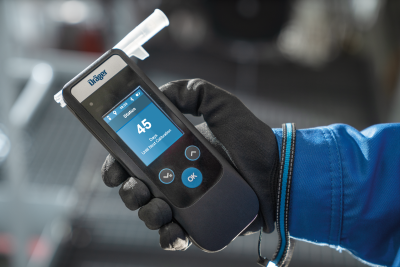 Drug and alcohol testing specialist Dräger has emphasised the potential benefits for transport operators of implementing employee testing programmes.
“It was clear – before the Covid pandemic shone a spotlight on the issue – that there was already a gradual increase in reports of drug and alcohol use impacting the workplace,” said the company.
“This includes both legal (i.e. prescribed) and illegal drugs, and alcohol consumption, all of which have the potential to impact employee safety in the workplace, and even more so as we head into the festive time of the year.
“In vigilance critical working environments, such as the transport and logistics industries, it is vital for companies to take the issue seriously. It is therefore not surprising that increasing numbers of businesses are considering implementing drug and alcohol testing programmes.”
The main benefit of this kind of programme, says Dräger, is that it delivers a safer working environment for employees, but it also provides the employer with an opportunity to offer support to employees –while improved education about the impact of drugs and alcohol can promote a healthier, happier workplace.
“From an employee perspective, there appears to be a similar growing recognition of the role that those within a business play in keeping colleagues safe,” the firm continued.
“Research for the Dräger Safety at Work report 2023 found that the overwhelming view of respondents was that testing for drugs and alcohol should be part of a wider safety at work initiative.”
 The company reports that nearly three quarters (74 per cent) of those questioned were in favour of all employees in the organisation being tested for drugs and alcohol, with more than a third (35 per cent) saying that this already happens, and nearly two fifths (39 per cent) saying that this should happen. The figure for those polled from within the fleet and logistics industry showed a higher level of testing already in place, with 42 per cent stating that this is the case.
“These findings reflect Draeger Safety UK’s own experience of working with customers, indicating that there is a growing recognition that screening is part of a comprehensive health and safety policy.”
Dräger works closely with OdiliaClark, a specialist impairment risk management and wellbeing company, which says its experience of working with UK businesses backs up the research findings.
David Whiffin, managing director, said: “In the main, employees see testing as a positive activity. They understand that testing is there as a safety net to support the many, not penalise the few.
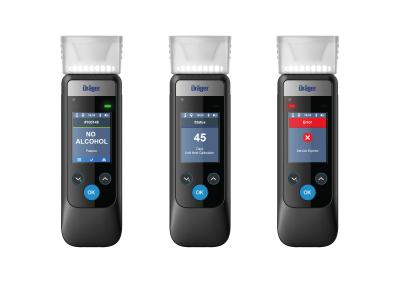 “It’s important that whatever the case for introducing a screening programme, the policy itself is fair and consistent, the procedures and process used are in line with current guidelines and best practice, and that the equipment and subsequent analysis are high-quality and accurate.
“The benefits of a good policy and programme should complement the overall approach to health and safety in the workplace and should be deployed in a non-punitive manner.”
It is encouraging that there is recognition that health and safety issues are starting to be taken more seriously where they relate to impairment, says Dräger, and also that there is a modernisation in attitude towards personal responsibility for safety.
“Drug and alcohol use and misuse poses a tremendous challenge to businesses and to their ability to operate productivity, but more importantly, to safeguard employees’ health and safety,” said the company.
“It is encouraging that testing programmes are increasingly being explored by forward-thinking employers who recognise their importance as part of a holistic approach to health and safety in the workplace in 2023 and beyond.”