
RHA: time to follow other nations’ lead on fuel duty rebate
 The Road Haulage Association (RHA) has highlighted the adoption of fuel duty rebates and similar policies by other European nations in response to recent significant pump price rises, and says it is now time for the UK to follow their lead.
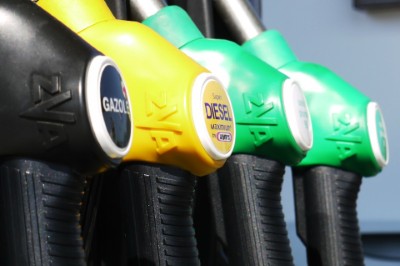
As of yesterday, average diesel pump prices published by the RAC Foundation stood at 190.3 pence per litre – around a third higher than immediately prior to the outbreak of war in February. The latest cited average pump price for petrol was 157.7p.
Earlier this week, the chancellor Rachel Reeves reiterated that the government’s planned fuel duty rise for September would be kept under review.
But the RHA said that it was speaking to member businesses every week whose margins were already “wiped out as a result of recent events”.
“I’ve heard one question a lot during the last fortnight,” said the association’s managing director, Richard Smith. “Other countries are supporting essential sectors like ours, why has our government not acted?
“Right now, compared to mid-February; a typical van with an 80-litre tank costs £150 to fill, up from £110 – a £40 increase. A coach with a 300-litre tank has gone from £425 to £575 – up roughly £150. As for HGVs with a 600-litre tank, this has gone up roughly from £850 to £1,150 – that’s an extra £300 per vehicle every single fill.
“At our member briefings and meetings, we constantly hear individual stories from businesses of varying sizes and backgrounds. Every month we’re hearing about another firm who has closed their doors or who needs to make serious cuts to services just to survive.
“One haulier told us last week he’s dealing with an extra £40,000 per week in expenditure. Others, including coach operators are looking at between £15,000 and £20,000 more. Fuel costs for commercial vehicle businesses have risen by approximately 40 per cent. For operators in our space, this can be the difference between viability and closure.”
Mr Smith emphasised that when the haulage industry’s costs rise, so do the prices in supermarkets.
“This is inflationary pressure hitting every household in Britain,” he warned.
“The government has the tools available to act if the will exists. The Republic of Ireland has introduced a haulier rebate and cut fuel tax. Spain runs an established commercial vehicle rebate. Portugal and Italy are supporting essential users too.
“The UK is becoming an outlier in its lack of action to support businesses with fuel costs. We must see an essential user rebate for commercial vehicles. Targeted. Practical. Proven elsewhere.”
He warned that a failure by decision-makers to act could deliver “a fatal hammer blow” to many businesses crucial to the supply chain and wider economy.
The road transport industry, represented by the major trade groups, redoubled its plea to the Treasury for decisive action on fuel duty this month, as fleet operators continued to feel the pinch of diesel prices inflated by recent conflict in the Middle East.
Last week the RHA delivered an open letter to the chancellor Rachel Reeves at 11 Downing Street signed by more than 470 transport operators, reiterating the call to scrap planned forthcoming increases in fuel duty. Meanwhile, the association continued to encourage fleet operators to write to their local MPs, calling on them to back its proposed essential user rebate.
Elsewhere, suppliers to the road transport sector offered practical advice on how to help limit fuel spend. Paul Holland, managing director, UK/ANZ Vehicle Payments at fuel card giant Corpay, highlighted transaction data for March from its Allstar brand, which recorded a 17p-per-litre spread between the UK’s cheapest and most expensive regions for diesel, “from 156p per litre in North Somerset to 173p in Dumfriesshire”.
He said: “On a 70-litre fill-up, that gap is worth nearly £12 per transaction. Multiplied across even a modest fleet filling up weekly, disciplined network and site selection can make a material difference to the fuel bill.
“Longer term, fleets that have begun transitioning to electric, even partially, are building a natural hedge against pump price volatility. But the majority of commercial operators are running diesel-dependent vehicles today and need practical support now.”
He too called on the government to extend fuel duty relief “and to consider what further targeted measures are available for commercial fleet operators before the pressure becomes unmanageable”.
Earlier in April, Ryan Yu, VP of product at fleet management platform Samsara, said that while operators could not control global fuel prices, they did have power over how efficiently their fleets were operating.
He said: “Optimising routes, coaching drivers and tackling fuel loss and theft are all practical, everyday steps that make a real difference. Operational efficiency isn’t just a way to save costs, it’s a strategic advantage that builds long-term resilience, ensuring UK fleets can thrive in any economic climate.”
Palletised freight distribution network Palletline’s group CEO, Graham Leitch, said his organisation was committed to supporting the Association of Pallet Networks (APN) in its efforts to lobby government.
He added: “We welcome ongoing discussions around how best to support the sector, including measures that can help provide greater cost stability and improve cash flow.
“One such example is implementing a fuel surcharge which we introduced in the last fuel hike in 2020 and we would encourage the industry to do the same. A balanced and collaborative approach will ensure the industry remains resilient and well-positioned for the future.”