
Genie Insights: how solar panels reduce reefer downtime
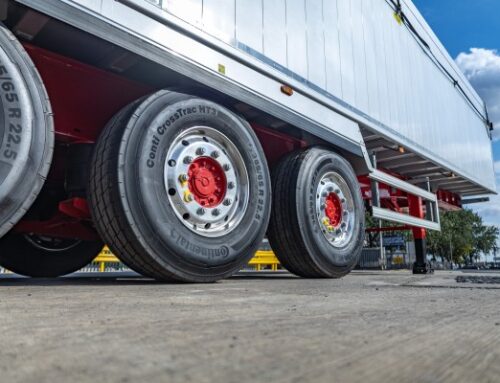
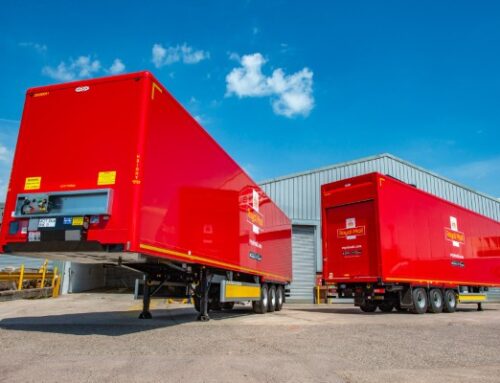
 Solar panels on the roofs of refrigerated trailers (reefers) are now a common sight on UK roads to help extend the life of fridge batteries as they cope with increased parasitic draw from telematics, temperature monitoring systems and fridge controllers.
“Operators are fitting them to reduce their reliance on diesel-powered transport refrigeration units, with solar power and reefer trailers working hand in hand – the more power they need to keep goods cool in the summer, the more power solar panels generate from longer daylight hours,” said Genie Insights, which specialises in solar solutions for commercial vehicles.
This approach is working well, the company claims; it says it received zero reports of fridge battery failures from customers with its panels fitted to their vehicles in 2025. It has supplied and installed over 7,000 solar panels on reefer trailers, including for some of the UK’s leading refrigerated transport operators and supermarkets, with operators opting for the high voltage 50W panels to combat flat batteries and shortened battery lifespans.
“For the cost of a service callout solar panels can be supplied and installed on a reefer trailer roof and once in place they look after themselves,” the firm added.
“In line with the trailer’s three or six-month servicing schedules a technician simply hooks up to the solar panel controller via Bluetooth to check performance and health.
“Solar charge controllers use a technique called Maximum Power Point Tracking (MPPT) to extract maximum power from solar panels by dynamically adjusting the electrical operating point as sunlight conditions vary. MPPT continuously optimises voltage and current, with particularly significant benefits in cloudy or shaded conditions and by doubling the cells on panels, Genie has further boosted panel productivity to cope with low light conditions.
“Two big solar growth areas currently are on electric trucks and rigid trucks working in the catering and food service industries where 24V batteries come under increased stress from ancillary equipment drawing power for use by tail lifts and air curtains.
“Likewise, modern eLCVs rely on a 12V auxiliary battery to power critical systems such as locking, safety features and infotainment, and if this battery fails, the entire vehicle becomes inoperable. Genie’s solar panels provide a trickle charge to keep the battery topped up to provide operators with extra peace of mind and reduce the chance of a battery running flat which is one of the most common causes of commercial vehicles being needlessly forced off the road.”
Genie is also fitting larger solar arrays of up to 300W to 18-tonne rigid trucks in the food service sector, for companies such as Reynolds Catering and Sysco.
“These vans and trucks operate on short stop start journeys which puts increased stress on the fridge motor, the vehicle battery and alternator. Solar energy comes into its own by keeping batteries charged and vehicle downtime to a minimum to help rigids cope with a demanding operating environment.”