
OTS: treating AdBlue as infrastructure
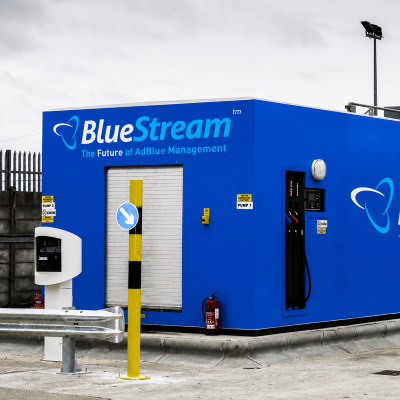 For HGV, PSV and LCV operators, AdBlue has moved from a compliance consumable to a core part of depot reliability, visibility and control, says fluid storage specialist OTS Group.
“For Euro 6 diesel fleets, AdBlue forms part of the infrastructure that keeps vehicles on the road,” the company advised.
“That matters because problems with AdBlue can create disruption in much the same way as fuel supply issues. Contaminated product, unreliable dispensing equipment, poor stock control or difficult maintenance access can all affect day-to-day fleet operations.”
As fleets have modernised, depot infrastructure has become more connected and more accountable, the company adds.
“Operators need better visibility of stock, tighter control over dispensing, stronger audit trails and more consistent maintenance across their sites. AdBlue needs to be managed within that same framework.
“It’s not just about having a suitable storage tank on site. The wider system needs to work in practice: where AdBlue is stored, how it is dispensed, how deliveries are managed and how easily equipment can be inspected and maintained.
“For high-throughput depots, a poorly planned system can affect vehicle flow, workshop routines and replenishment planning. For multi-site operators, inconsistency between depots can also make reporting and maintenance harder to manage.”
Correct storage is essential, OTS Group advises.
“AdBlue is sensitive to contamination, incompatible with some materials and vulnerable to crystallisation when exposed to air. It also needs to be stored within suitable temperature ranges and handled in a way that protects drainage systems, surface water and the wider environment.
“Operators need to pay close attention to tank specification, secondary containment, pipework, nozzles, seals and spill response arrangements…
“At OTS, we use the BSSM approach as a practical way to think about AdBlue storage: bunded, specific, stable and managed. ’Bunded’ means using double-skinned tanks with appropriate secondary containment. ‘Specific’ means choosing tanks and equipment designed for AdBlue, with materials and manufacturing standards suited to urea storage, including ISO 22241, DIBT and BS EN ISO 9001:2008 where applicable.
“’Stable’ means keeping AdBlue within the right storage conditions. It should be stored between 0 and 30°C, with systems designed to manage colder conditions, as AdBlue freezes at around -11°C. Tanks should also be positioned or protected to avoid overheating in direct sunlight. ‘Managed’ means looking after the system over time. SCR systems are vulnerable to contamination, so inspection, monitoring, stock control and planned maintenance all help protect vehicles, reduce avoidable repair costs and keep fleets on the road.”
 Fleet operators are already used to asking detailed questions about fuel, says OTS Group: who dispensed it, which vehicle received it and how much was used.
“The same thinking is increasingly relevant to AdBlue. Manual checks alone can miss usage patterns, stock issues or emerging faults and so tank monitoring, fuel management integration and structured reporting are recommended to give operators a clear view of what is happening across the depot.
“This is particularly valuable for multi-site operators, mixed fleets and high-volume refuelling environments, where small gaps in visibility can quickly create operational pressure.
“Better data also supports compliance and accountability. Clear records make it easier to demonstrate responsible management, investigate variance and plan supply before a shortage becomes a problem.”
AdBlue systems need regular inspection in the same way as fuel storage and dispensing equipment, the firm advises.
“Tanks, pipework, pumps, nozzles, gauges, alarms and ancillary equipment should all be checked as part of a planned maintenance regime. Crystallisation around fittings, poor nozzle condition, leaks, inaccurate gauges or failed alarms may seem minor at first. Left unresolved, they can develop into operational problems.
“Routine inspection helps identify these issues early, before they affect vehicle availability or lead to more disruptive remedial work. For workshops and fleet teams, this is where planned maintenance has real value. It reduces surprises, creates a clearer service history and supports decisions based on evidence rather than assumption.”
The company added: “For modern fleet operators, the practical shift is to stop viewing AdBlue as a secondary consumable and start treating it as part of core depot infrastructure. That thinking also applies as fleets evolve, whether operators are adjusting fuel strategies, upgrading older depots or standardising infrastructure across multiple locations.”
OTS Group designs, manufactures, installs and maintains fuel and AdBlue storage infrastructure for commercial fleet operators across the UK. Its work spans tank manufacture, dispensing systems, fuel management technology, planned maintenance and environmental support.