
Crypton: bringing brake testing in-house for modern fleets
 With brake performance remaining one of the most critical safety factors for commercial vehicles, fleets are having to look harder at how braking performance is measured, managed and recorded, according to workshop equipment provider Crypton.
For many operators, says the company, this has prompted a reassessment of how brake testing is carried out, and whether reliance on external test facilities still makes operational sense.
“Outsourced brake testing has long been the default approach, particularly for smaller fleets,” said Crypton.
“It removes the need for capital investment and specialist equipment and allows operators to focus on vehicle utilisation. However, as fleets grow or testing frequency increases, limitations begin to appear.
“Scheduling is often the first challenge. Booking test slots, aligning vehicle availability and accommodating travel to and from third party sites can disrupt fleet planning. Vehicles spend time off the road not because of maintenance issues but simply waiting to be tested. Over time, this lost availability becomes more noticeable.
“Cost is another factor. While individual test fees may seem reasonable, the cumulative effect across multiple vehicles, axles and repeat tests can be significant. These costs sit alongside indirect expenses such as fuel, driver time and vehicle downtime, which are not always captured in headline figures.
“As a result, more operators are examining the case for bringing brake testing in-house.”
In-house brake testing offers a different operational model, says Crypton; testing can be carried out when it suits fleet schedules, not when an appointment is available.
“Vehicles can be tested more consistently, allowing braking performance to be monitored over time rather than assessed in isolation. This can support earlier fault detection and more targeted maintenance planning.
 “Record-keeping also improves. In house systems allow operators to build a detailed braking history for each vehicle, providing clear evidence of compliance and maintenance activity if required by enforcement bodies or auditors.
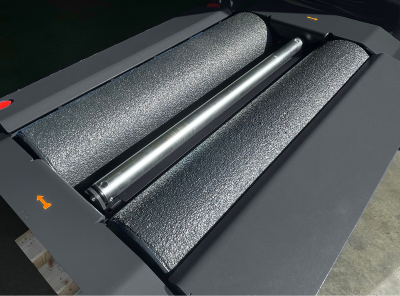
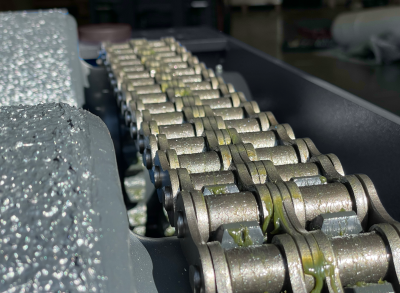
“The Crypton RBT1850 is designed specifically to support this approach. Built for commercial vehicles up to 20,000kg axle weight, it provides the torque capacity and structural robustness needed for repeated high load testing. This is particularly important in fleet environments where equipment is used daily and reliability is essential. The system integrates with Crypton emissions software too, allowing the addition of a diesel smoke tester without the additional footprint.”
The decision to invest in brake test equipment is not universal, adds the company: smaller operators or those with limited testing requirements may continue to find outsourcing the most practical route.
“Ownership brings responsibilities, including calibration, servicing and staff training, which must be planned properly.
“However, there is a tipping point. As fleet size increases, testing becomes more frequent and outsourced costs rise, the balance begins to shift. For larger fleets, or those operating mixed vehicles with multiple axles, the operational and financial case for ownership strengthens quickly.
“Other considerations also influence the decision. Some operators use in house testing purely for their own fleets, while others offset costs by testing third party vehicles. Financing options, utilisation levels and future fleet growth all play a role in determining payback time.
“The RBT1850 is intended as a long-term solution rather than a short-term fix. Its design reflects the demands of the commercial vehicle sector, where equipment is expected to operate reliably under sustained load and deliver consistent results over many years.
“For operators looking to reduce downtime, improve oversight of braking performance and retain greater control over compliance processes, bringing brake testing in house is increasingly being viewed as a strategic move rather than a technical upgrade.
“The key is not whether in house testing is right for every fleet but understanding when it becomes the right move for yours.”