
Protecting bearings and brake components with BPW
 Correct lubrication is one of the simplest yet most effective ways to maximise trailer reliability, extend component life and reduce unnecessary maintenance costs, according to trailer technology provider BPW.
“Whether maintaining wheel-end bearings or ensuring the smooth operation of brake components, using the correct lubricant and following recommended servicing procedures can significantly impact performance, safety, and uptime,” said BPW.
As part of its commitment to supporting operators, workshops and fleet engineers, BPW continues to emphasise the importance of proper lubrication practices across key areas of trailer maintenance.
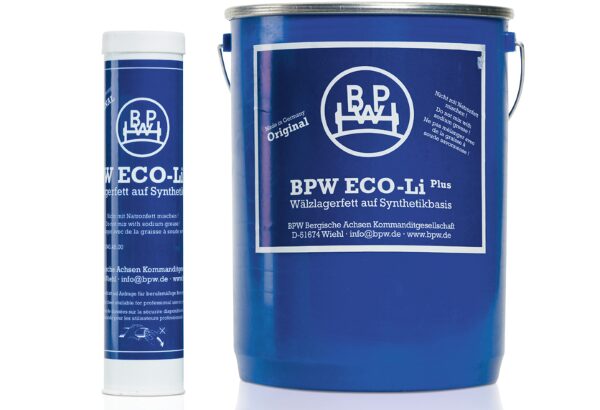
“When lubricating taper roller bearings, selecting the correct grease is essential to achieving optimum bearing life and performance. BPW recommends using Eco-Li Plus grease, a high-performance lithium-complex grease specifically developed to protect and extend the service life of hub units and their components.
“Designed to perform in demanding operating conditions, Eco-Li Plus grease offers excellent anti-friction properties and withstands temperatures from -30°C to 130°C, including peak temperatures up to 160°C.
“Operators and technicians should also be aware of products on the market that closely resemble BPW’s original grease. While these alternatives may appear similar, they may not meet BPW’s performance standards and could compromise the integrity and longevity of running gear components.”
To support efficient servicing, BPW also offers a dedicated Grease Applicator Kit.
“Packing taper roller bearings by hand can be time-consuming and often leads to either excessive grease use or insufficient lubrication,” said the company.
“The applicator kit delivers the correct amount of grease directly into the bearing, reducing waste, minimising contamination risks and helping to extend bearing service life.”
Lubrication is equally important in the braking system, says BPW, where regular maintenance of slack adjusters and camshaft bearings is vital to ensuring reliable operation and preventing premature wear.
It recommends lubricating automatic slack adjusters and camshaft bearings every six to eight weeks, with service intervals not exceeding 12 weeks for UK operations. BPW Eco-Li Plus grease should be used throughout the lubrication process.
“When lubricating the slack adjuster, technicians should apply fresh grease until the old grease is purged from the adjustment bolt housing. Particular attention should be paid to the condition of dust caps and protective covers, as missing or damaged components can allow dirt and moisture to enter the mechanism.
“Insufficient lubrication, together with contamination by water and road debris, can significantly compromise slack adjuster performance and accelerate component wear.
“Camshaft lubrication is equally important. Fresh grease should be applied until it appears at the seal, confirming that the lubricant has reached the bearing surfaces. If grease fails to appear after several applications, further inspection should be carried out to identify potential blockages or wear within the bush and seal arrangement.
“Failure to maintain correct lubrication intervals can result in excessive bearing play, accelerated wear and ultimately a reduced component life.”
Mixing lubricants carries significant risks, BPW advises, whether in wheel end bearings, automatic slack adjusters, or bushes, etc.; therefore, mixing lubricants should be avoided.
“Lubricants rely on specific recipes to perform effectively and provide longevity. Mixing lubricants can break down the lubricant, affect performance, and result in premature failure of the component.”
Excessive heat can cause lubricants to lose their lubricating properties, the firm adds; physical and chemical breakdown can increase friction, leading to premature wear and component failure.
“In the case of an excessively hot brake, the integrity of the lubricant should be checked, as heat can transfer into it. “
BPW concluded: “While lubrication is often seen as a routine workshop task, its impact extends far beyond day-to-day maintenance. From protecting wheel-end bearings to preserving the effectiveness of critical brake components, correct lubrication remains one of the most cost-effective ways to support trailer safety, reliability and operational efficiency.
“By using approved lubricants, following recommended maintenance schedules and adopting best-practice servicing procedures, operators can help maximise uptime, reduce avoidable component failures and ensure trailers continue to perform at their best throughout their service life.”