
ZF Aftermarket: why quality still counts with clutches
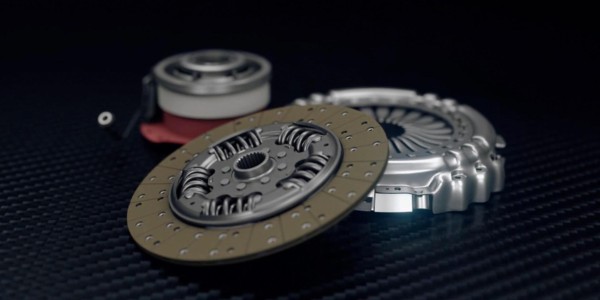 In a competitive aftermarket, the temptation to cut costs is always there – but when it comes to clutches, doing so can be a false economy, according to Stuart McLeod, technical support and training lead at ZF Aftermarket.
“Price pressure is something every workshop understands,” said Stuart.
“There’s definitely a temptation to source cheap parts as this can make a repair quote more competitive and help retain business. But if a customer isn’t told at the quotation stage that a budget clutch is being fitted, you could face a very awkward conversation if it fails prematurely or develops a fault – especially if the vehicle ends up in another workshop, out of your control…
“Taking a risk on a cheap or remanufactured clutch can lead to problems like judder, slip, or poor gear selection caused by wider manufacturing tolerances.
“That means a poor driver experience, more downtime for the customer, and potentially a second costly repair that could have been avoided.”
He continued: “We always recommend only fitting clutches sourced through an authorised retailer. If a customer brings in a part they’ve sourced themselves, it’s ultimately the garage’s call whether to fit it – but if there’s any concern over quality, or if it could be a counterfeit or poor copy, that should be raised with the customer before any work is done. Counterfeit and low-quality copy parts represent a real safety concern, especially if they’ve come from an unregulated online source.”
ZF Aftermarket says it offers multiple ways to help technicians avoid those pitfalls.
“Our ZF [pro]Tech start network is now free to join in the UK,” Stuart continued.
“Members get access to fitting instructions, installation tips, technical bulletins, and OEM campaign information. Plus, our technical support team – with over 50 years of combined workshop experience – can be reached by phone or email for advice.”
This direct link to technical expertise can save time and prevent costly errors, he added.
“Whether it’s guidance on a tricky fitment or a known service issue, having that knowledge to hand means you can work more efficiently and with greater confidence.”
While ADAS and EV technology dominate training discussions, clutch remains a relevant topic.
“Clutch might be seen as a ‘sunset’ component by some,” Stuart said, “but we still get a lot of clutch-related installation issues on our tech helpline. The core function of a clutch hasn’t changed for decades, but the technology has – improving service life, refining driver feel, and evolving to meet higher performance demands.”
That evolution means there’s still value in training.
“Understanding the latest designs, materials, and installation requirements can make the difference between a long-lasting repair and a comeback job.”
Finally, Stuart offered some practical advice for everyday workshop efficiency: “Make sure your workspace is clean and tidy before you start. Have all the necessary tools ready and in good working order, and if they need calibration, get that done beforehand. Don’t dive into a job you’ve never done before without checking your data sources – whether that’s manufacturer information or our ZF [pro]Tech portal. Spending a few minutes reading up can prevent mistakes, aid accurate diagnosis, and save both time and money…
“Working smarter with clutches isn’t just about the component itself, it’s about preparation, quality, and using the resources available to you to deliver a job that’s right first time.”