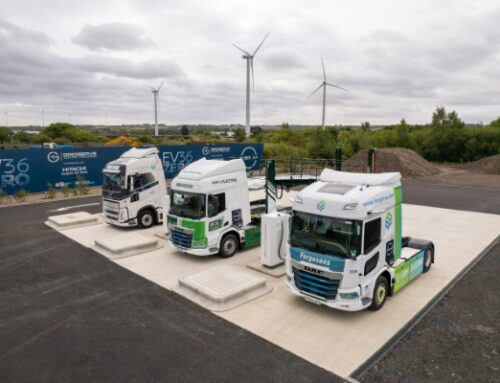

Why fleet electrification needs to begin with the depot
 Mark Duxbury, UK director at clean energy technology provider iwell, offers tips to help fleets manage the transition
The reopening of the Depot Charging Scheme in October will put chargers, batteries and grid connections firmly back on the agenda for fleet operators. But before getting into the detail of any of those things, there is a more fundamental question worth answering: what does the depot actually need to deliver?
There is a danger that some electrification projects are being approached in the wrong order. A fleet decides how many electric vehicles it expects to operate, considers the charging equipment needed to support them and then looks at what elements of that infrastructure qualify for funding. That may result in a sound grant application, but it does not necessarily result in the best solution for the operation.
A charger being eligible for support does not make it the right charger for a particular site. The same is true of battery storage, electrical upgrades and the wider infrastructure required to support an electric fleet. Grant funding can certainly improve the financial case, but it cannot turn a poorly conceived depot into a good one. The operational requirement therefore has to come first.
Consider two operators running the same number of electric vehicles. In one depot, vans begin returning from around 4pm and remain parked overnight. In another, trucks come back within a relatively narrow two-hour period and must be charged and ready to leave again before the morning shift. From a vehicle-count perspective, the two depots may look almost identical. From an energy perspective, they are anything but.
The detail and nuance matter here – operators need to consider duty cycles, arrival times, dwell periods and the amount of energy each vehicle needs to recover during its time on site. They also need to know how much of that demand will occur simultaneously. Add in the existing electrical load of the depot and the power available from the grid connection, and a much clearer picture begins to emerge.
This is also why treating electrification mainly as a vehicle replacement exercise can be misleading. With diesel, fleets could largely separate the purchase of vehicles from the provision of energy. Fuel infrastructure was established, widely available and capable of replenishing a vehicle in a matter of minutes. Electric vehicles change that relationship completely.
As the proportion of electric vehicles grows, choices about fleet operation increasingly become choices about energy infrastructure. Changing a route, extending a shift or increasing utilisation may alter the charging requirement. Equally, limited electrical capacity at a depot may determine how many vehicles can charge at once, how quickly they can do so and, in some cases, whether a particular vehicle can be deployed on a particular duty.
 Fleets also need to think beyond the first phase of deployment. Infrastructure designed solely around five electric vehicles may appear entirely adequate at launch, only to become a constraint a few years later. If the longer-term plan is to operate 20 or 30 electric vehicles from the same depot, that needs to form part of the thinking from the beginning.
That is not an argument for installing infrastructure years before it is needed. It is an argument for understanding the likely direction of the fleet and avoiding decisions today that make the next stage unnecessarily difficult or expensive.
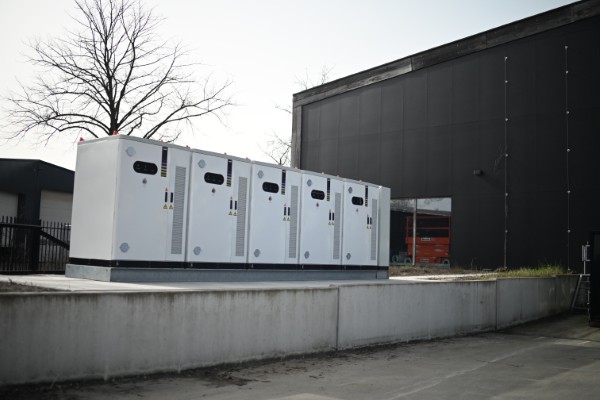
Battery storage illustrates the point well. In the right circumstances, it can help overcome limited grid capacity, manage periods of concentrated charging demand or give operators greater flexibility over when they take electricity from the network. But that does not make battery storage appropriate for every depot, just as the most powerful available charger is not automatically the best choice. Its value can only be judged against the particular operating profile of the site.
That distinction becomes even more important when public funding is involved. Grant schemes inevitably encourage businesses to focus on what expenditure is eligible for support. The problem comes when eligibility starts to drive the engineering decision. Something being fundable does not necessarily mean it is needed, and the funding criteria should not end up determining the infrastructure design.
With another Depot Charging Scheme application window approaching, operators have an opportunity to put those decisions back in the right order. Start with the fleet: the vehicles, routes, arrival patterns, dwell times, energy requirement, existing site demand, grid constraints and anticipated growth. From there, establish what the depot needs. Only once that has been determined should the conversation turn to how the infrastructure is funded.
The fleets that navigate electrification most effectively are unlikely to be defined by how many chargers they install or how much grant funding they secure. They will be the operators that recognise from the outset that electrification is as much an energy and infrastructure challenge as it is a vehicle one.