
Microlise: wider DVS integration adds extra value
 Telematics specialist Microlise offers a range of product options for the Direct Vision Standard (DVS), which it says can go far beyond the basic DVS solution to increase value, maximise return on investment and help deal swiftly and efficiently with any incidents.
“Nearside blind-spot cameras along with an in-cab device, proximity sensors with in-cab audible and visual warning, external audible alert and warning signage can all be provided by Microlise to meet requirements,” said the company.
“We exceed the requirements of DVS through our wider camera offering, and through increased functionality offered by integration with our wider product.”
Whilst DVS rightly focuses on the left side of the vehicle, says Microlise – with around 20 per cent of vulnerable road user deaths the result of a left-hand turn – it is estimated that around 25 per cent of deaths happen whilst reversing.
“Our camera solution can include up to six cameras in total. The forward facing camera comes as a standard part of the system with additional options for a driver-facing camera and more recently, a load-facing camera. Additional blind-spot options include a rear-facing camera (suitable for both rigids and trailers) and an offside camera.
“In an effort to help drive these figures down, our rear facing blind-spot camera offers a similar driving aid and becomes operational when reverse gear is engaged, feeding a view of the rear of the vehicle through to the driver’s in-cab device.
“An ADR compliant version of the camera solution is also available from Microlise, enabling vehicles to remain compliant whilst carrying hazardous goods into the capital.”
Whilst lots of camera options help provide the driver with multiple viewpoints on a vehicle, real value comes through integration with wider systems, contends Microlise.
 “Camera systems are not cheap to install so it is important to maximise value,” said the firm.
“Our in-cab device, the Microlise DriveTab, delivers a near-live feed of the vehicle’s blind-spots to the driver whilst manoeuvring but unlike most ‘dumb’ devices, the DriveTab has multiple additional uses.
“It can be used with our EPoD solution to deal with deliveries and collections, with consignment information and signature capture. It can offer driver logon (either manually via a PIN or through connection to the tacho head), work lists and one touch satnav integration along with two way communications, all of which are part of our wider solution base.”
Additional apps can also be installed, says the firm, such as its Driver Performance Management app which allows drivers to access their own driving performance on-the-go, get driving tips and compare their scores with other drivers in their group or across the wider company.
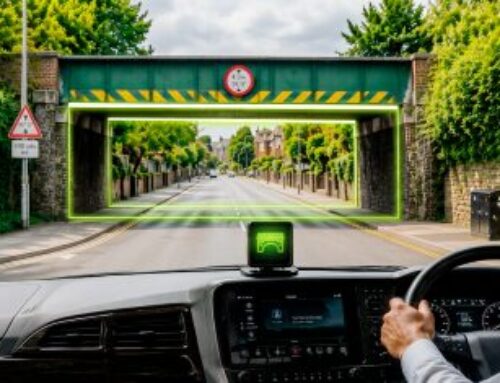
“Our Driver Hazard Warning app offers drivers advanced warning of low bridges along with width and weight restrictions,” it added.
“This additional functionality is delivered through one device but with the knowledge that the device is not usable whilst the vehicle is in motion. However, when the driver selects a blind spot camera feed, by selecting the turn indicator when travelling at low speed, or by selecting reverse gear, the camera feed will take priority.
“Apart from adding value to the hardware installed, by integrating cameras with Microlise telematics you can secure footage from selected parts of the system, marry it up with telematics data and add additional comments to obtain a rounded view of what happened during an incident. You also have all the tools needed and compliance support at your – and your insurers’ – disposal.”