
Verizon Connect: digital tacho is ‘unsung hero’
 Fleet management solutions provider Verizon Connect has outlined some of the efficiency and safety gains fleets can generate by harnessing the power of digital tachograph data.
“Thanks to major advances in technology and the ability to integrate solutions across a broad range of IoT devices, the simple tachograph has evolved into a far more valuable tool – from enabling better operational decisions, to creating smarter driving schedules and, critically, boosting driver safety through better compliance,” said Derek Bryan, vice president, EMEA at Verizon Connect (pictured).
“Tachograph technology can be seamlessly integrated with other fleet management solutions to form a real-time, fully digital system that eliminates the need to physically download data directly from a vehicle.
“By streaming data in real time from in-cab management systems to the central base of operations, fleet managers can oversee detailed driver information. This includes set-off time, driving time remaining, and when their next break or rest is expected.
“All of this is displayed via a live map that displays their full tacho status. When combined with other fleet data – including vehicle speed, fuel consumption, and idling time – fleet managers possess total visibility of fleet operations.”
The potential for productivity gains are huge, says Derek.
“Not only does this wealth of data speed up potentially critical decisions, it also allows fleet managers to plan and optimise routes and manage drivers more efficiently, improving their overall safety on the road.
“Integration is the key here. Once digital tachographs have been set up to seamlessly communicate and share data with other fleet solutions, fleet operators can begin automating business operations, reacting quicker to customer needs than ever before, improving driver safety (and, therefore, employee satisfaction), ultimately increasing revenue.
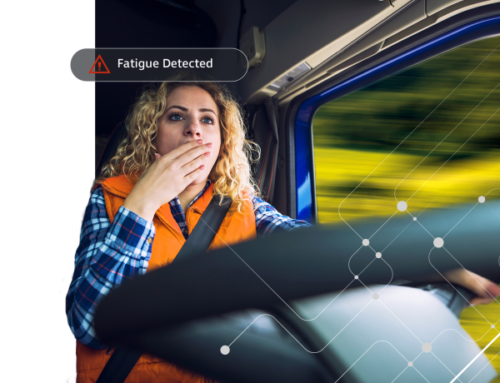
“For example, having visibility of a driver’s status (i.e. location, number of hours driven etc.) using live map integration helps fleet managers make more informed decisions about which drivers can be safely selected to take on the next delivery or pick-up. If they’ve been on the road for a significant amount of time, they’ll be flagged for a lengthy rest, only ready to resume their job once fully refreshed.”