
Eminox: the road to emissions compliance
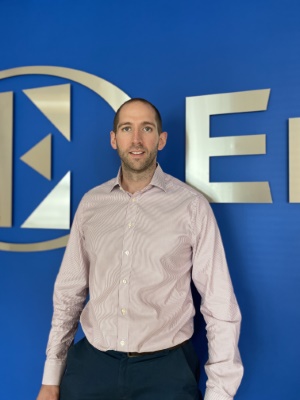
Dave Phillips, Eminox engineering director
Emissions control specialist Eminox, which offers a range of nitrogen oxides (NOx) and particulate matter (PM) reduction solutions for commercial vehicles, has highlighted the changes in air quality regulations to be introduced by the forthcoming Euro 7 standards.
“Emissions compliance can seem complex, and with Euro 7 approaching, understanding the latest legislation is important,” said Dave Phillips, engineering director at Eminox.
“By choosing the right technologies, transport operators can ensure continued compliance even when the regulations change…
“Road transport is the largest source of air pollution in cities, and Euro standards have been successful in reducing harmful emissions for decades. Euro 7 will continue to tackle existing and new pollutants, with ambitious targets.
“It is hoped that NOx will be reduced by 35 per cent from cars and vans when compared with Euro 6, and by 56 per cent compared to Euro VI for buses and lorries. Particulate matter (PM) will also, as a result of Euro 7, be reduced by 13 per cent from cars and vans and 39 per cent from lorries and buses.”
He also emphasised the significance of the government’s Net Zero Strategy: Build Back Better, which outlines the UK’s policies and proposals for decarbonising all sectors of the economy to meet the 2050 net zero target. As part of the strategy, the government has pledged to end the sale of new, non-zero emission HGVs by 2040.
“Directly integrated into the Transport Decarbonisation Plan, the targets are ambitious, however what it does highlight is that there is no excuse for resting on our laurels with a view only on the end target,” he commented.
The shift to Euro 7 is necessitating changes to emissions technologies to achieve the enhanced compliance requirements, says Dave Phillips, while technology manufacturers also have an eye firmly on the future and the development of emissions solutions for alternative fuels.
This means that for those operating vehicles, it is important to understand what is coming next and how the transition from diesel to alternative fuels can best be managed, he says – not only to meet government targets, but also to manage business expectations, practicalities and costs.
Achieving the highest emissions standards during the transition to vehicles powered by alternative fuels will remain critically important, he adds, not only for compliance but to give operators the greatest flexibility in vehicle deployment, as ultra-low emissions zones continue to expand and impact on commercial vehicles operating in those areas.
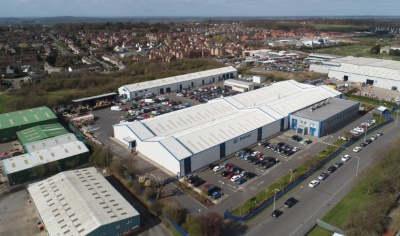
Eminox’s global headquarters
“Establishing this flexibility and the business opportunities this brings can be achieved by forming a partnership with a company that not only has detailed understanding of vehicle emissions legislations and compliance, but also designs and develops the technology to deliver the solutions and future-proof vehicles,” he continued.
Eminox’s emissions solutions include exhaust aftertreatment systems (EATS) supplied to OEMs and fleet operators looking to upgrade their existing vehicles to reduce NOx and PM through SCR and DPF technologies, and a forthcoming Euro 7 solution.
“These have brought, and will continue to bring, reliability and cost efficiencies for operators striving to ensure vehicles in their management are as environmentally friendly as possible, achieve compliance, and prolong the life of fleets,” said Dave.
“By choosing approved, proven technologies from pioneering designers and manufacturers such as Eminox, compliance and cost can be managed whilst the transition from diesel powered fleets to electric and other alternative fuel sources takes place.”
Eminox’s corporate video can be viewed below.