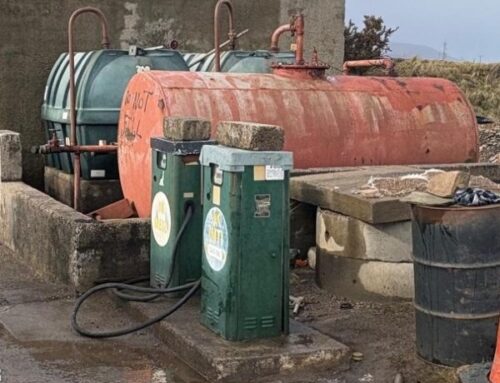

Permex raises oil spill awareness
 Fluid handling equipment provider Permex has warned transport and workshop operators of the potential operational and environmental consequences of oil spills.
Citing recent fines incurred by firms for the pollution of water courses, Permex’s Chris Knight (pictured, right) said such cases represented: “a wake-up call, if one were needed, to all of us who are involved with handling polluting substances like oils, that we need to be very, very aware of what is happening within our companies. It takes a lifetime to build a good reputation but only a moment to wreck it.”
During the 60-plus years that Permex has been in the lubrication business, it has been called in to advise at several premises where spills have occurred.
“In our opinion, the majority of these could have been prevented if a few simple and inexpensive things had been undertaken,” said Chris, “for example, if regular and frequent inspection of the premises and equipment had been carried out by a knowledgeable person and this had been coupled with a management ethos that encouraged information exchange within the company so that items such as maintenance issues and damaged equipment were flagged up and dealt with immediately.
“In addition, the other main causes have been inferior, poor-quality equipment and the use of incorrectly pressure-rated products – for example, where air hoses have been used on oil lines.”
Once there is a break in the system, pneumatic pumps will just continue to pump away until they exhaust the oil or the air reserves, he explains – because, when there is a leak, they will never reach the stall pressure that would normally stop them dispensing.
“To prevent this happening, the pumps should be disconnected from the compressed air supply whenever the building is unoccupied,” Chris advised.
“Just turning the compressor off will normally still leave enough compressed air in the air receiver to power the pump for a considerable time.
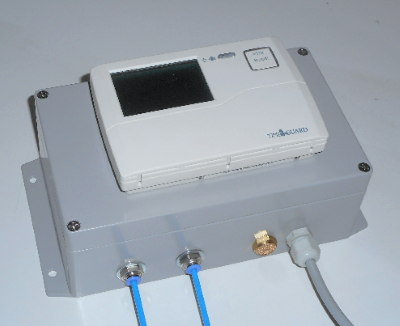 “Using a system like the Permex AirCut, which can be quickly retrofitted, ensures that the air is automatically cut off from the pump when the building is not in use, so that unnoticed oil pumping and flooding cannot occur.
“Even the smallest seal has the potential to fail and cause a substantial oil leak which, if not dealt with quickly and effectively, can in turn, cause pollution of the environment.
“So, my firm advice is to ensure that you choose top quality, professionally installed equipment and maintain not just your fleet but your installation and your company’s reputation too.”
By embracing the philosophy of ‘buy well, buy once’, Chris says, transport companies can directly benefit from fewer equipment breakdowns, smoother operations, greater employee retention, higher customer satisfaction and a more profitable business, as well as peace of mind for transport and workshop managers.
“During a recent trip to see our principal supplier, lubrication equipment manufacturer Raasm in Italy, I was struck again by their complete dedication to quality and their constant drive to improve all the products within their extensive and ever-expanding range,” he commented.
“Permex has been supplying Raasm products for over 40 years and some of those original pieces of equipment are still in everyday use in workshops around the country – an enviable return on investment.”