
Inseego: driving up security with video telematics
 Fleet management software provider Inseego UK has outlined how innovations in the area of video telematics are supporting new security benefits.
“The use of dashcams and other vehicle cameras has become widespread in recent years as transport businesses look to improve road safety, challenge fraudulent claims and reduce insurance costs,” said Steve Thomas, managing director of Inseego UK (pictured, right).
“However, as these devices become embedded into fleet operations, companies are increasingly looking beyond these proven benefits. This is leading organisations exploring new and clever ways to use video telematics technology to protect vehicles and safeguard employees.
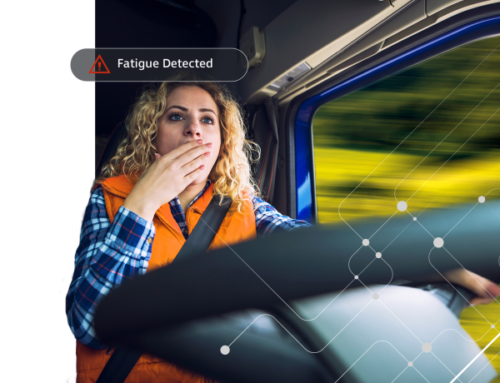
“Live streaming from vehicle cameras, for example, already enables alerts from other fleet technology solutions to be quickly investigated, with a transport manager able to verify the safety of a vehicle or driver.
“There have also been multiple incidents where unsuspecting thieves have been filmed, and later identified, from a driver facing device fitted in a vehicle they have stolen or broken into.”
The growing popularity of multi-camera solutions now makes it possible to include well-placed devices to monitor at-risk areas around the vehicle or even fuel caps, Steve adds.
“Individual cameras can be set up to wake up based on vibration or movement, as well continue recording for a specified period after the vehicle’s ignition is turned off, to identify security threats and raise alarms,” he continued.
“We have seen demand from delivery companies to install side cameras that not only record when the driver is away from the vehicle, but also captures footage for proof of delivery purposes.
“Meanwhile, load-facing cameras can detect unauthorised access with recording triggered by motion or when the vehicle is stationery during a journey, which is especially useful for high value cargo. This type of internal device can also be used to validate that the correct number of items were unloaded at a specified drop point.”
Moving forward, says Steve, advances in artificial intelligence and computer vision within the video telematics sector will drive innovation in security applications.
“We are already seeing AI-powered vehicles cameras that can define virtual exclusion zones around the vehicle, while Human Behaviour AI may eventually provide a means of automatically identifying suspicious activity and individuals,” he explained.
“Cloud-based software is also using AI to quickly process huge amounts of data, which makes it easier than ever to monitor and safeguard vehicles all through a single view interface. In fact, it is now possible to train both on the camera device and software to detect any type of person, object or action, so it can be tailored to cater for differing security environments and applications.
“The potential for video telematics is huge and it will increasingly support sophisticated transport security. As the technology continues to evolve, with advances in hardware, software and connectivity, it will undoubtedly gain greater levels of flexibility, functionality and capacity that can be used to better protect employees, vehicles and cargo.”