
AlcoDigital: is your company protected?
 With an increasing emphasis on companies’ responsibility for ensuring employees are fit for work, testing and training solutions provider AlcoDigital has highlighted the advantages of adopting best practice health and safety procedures for drugs and alcohol misuse in the workplace.
According to the Department for Transport, drugs and alcohol cost British businesses in excess of £6 billion per year in lost productivity, points out the company, while a third of employers say alcohol and drug misuse is a problem at work.
There is also the potential damage to a business’s reputation to consider should they be held accountable for an employee’s wrongdoing; but with the plethora of testing equipment and information on offer, the firm says, it is not always easy to know where to start with implementing an effective drugs and alcohol testing policy.
Suzannah Robin, operations director at AlcoDigital, works with dozens of corporate and governmental organisations addressing their alcohol and drug testing needs. For the last 22 years she has helped numerous businesses to implement their drug and alcohol testing policies for their staff through certified training programmes. These include the correct use of safety equipment, accurately interpreting results and spotting the different signs and symptoms of drug and alcohol misuse.
“We have helped companies in many different industry sectors to implement robust alcohol and drug policies and one of the things that concerns all of them from the outset is how their employees are going to react to a new testing policy being introduced,” said Suzannah.
“Of course, there may be some reluctance from employees so companies should always communicate clearly with their staff before introducing new policies so that they can fully understand the rationale behind them and what the potential consequences of a positive test will be.”
So what makes a good alcohol and drug testing policy? Suzannah says it all depends on how the company operates.
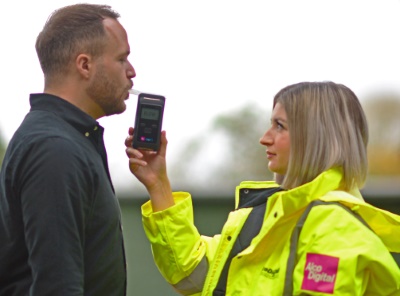
 “If a company has staff working on heavy machinery or they employ commercial drivers then we would recommend regular testing – this could be anything from fitting an interlock breathalyzer (such as the new Drivealyzer) to a vehicle, which will immobilise the engine if the result proves positive, to testing employees before shifts with a handheld digital device,” she continued.
“Other companies may find it more beneficial to implement a random screening procedure to act as a deterrent – this is especially useful if daily testing is not possible or suitable.”
If implemented effectively, says AlcoDigital, drug and alcohol policies can help to reduce absenteeism, increase worker productivity and improve customer satisfaction.
“We have found that regular random testing of employees for drugs and alcohol has resulted in significant benefits for improving safety and safeguarding businesses from the potential fallout of lost revenue and reputational damage,” Suzannah added.
“However, many more companies, particularly those in the transport industry or those operating heavy machinery, need to do more to improve standards not just for the safety of their employees but to protect the general public as well.”