
Brigade urges caution on adoption of European safety rules in UK
Brigade’s Radar Predict system
Commercial vehicle safety solutions provider Brigade Electronics is urging the UK government to ensure that any implementation of General Safety Regulation 2 (GSR 2) strengthens, rather than compromises, the UK’s position as a world leader in vehicle safety standards, and protects UK industry.
GSR 2 mandates the installation of various driver assistance and visibility technologies on new vehicles sold in the European Union, in a bid to drive up road safety. The British government has been consulting on the potential adoption of many of its requirements in the UK.
But Brigade says the UK has long set the benchmark for best practice in commercial vehicle safety through initiatives such as Crossrail, FORS (Fleet Operator Recognition Scheme), and CLOCS (Construction Logistics and Community Safety).
“These schemes have been recognised worldwide, with CLOCS adopted as a mandatory framework for construction vehicles in New South Wales, Australia,” said the company.
“The introduction of the Direct Vision Standard (DVS) in 2020 marked a global first in mandatory safety regulation and has been widely praised internationally.”
Brigade warns that a wholesale adoption of European GSR 2 requirements, without adaptation to UK market strengths, risks undermining these achievements and could represent a step backwards in safety performance.
While fully supporting the ambition of zero fatalities on UK roads, Brigade highlights that OEM-led, factory-fit solutions can lag behind the pace of technological innovation.
“Vehicle development and production cycles often take years, meaning systems fitted at manufacture may already be outdated by the time vehicles enter service.
“This was clearly demonstrated during Direct Vision Standard (DVS) Phase 2, where factory-fitted GSR-compliant systems permitted detection gaps of up to 0.9 metres along the vehicle side and 0.8 metres at the front: areas large enough to obscure vulnerable road users such as pedestrians and cyclists.

Emily Hardy of Brigade Electronics
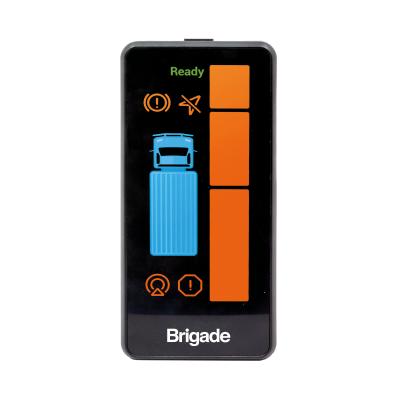
“By contrast, Brigade’s aftermarket solutions, including Radar Predict and Front Radar, provide full perimeter detection with no blind spots, offering enhanced safety performance and adaptability as technology evolves.”
In light of this, Brigade says it supports the adoption of GSR 2 into UK legislation but strongly advocates that compliance should be required at the point of vehicle registration, rather than at initial manufacture. This, it says, would ensure that the most advanced safety technologies available at the time of deployment can be fitted, delivering the best possible outcomes for road safety.
“Mandating fitment at the factory level risks locking in older technologies and limiting the effectiveness of safety systems on UK roads,” said Emily Hardy, international marketing and regulations manager, Brigade Electronics.
Additionally, a registration-based approach would provide UK-based multi-stage vehicle builders and vehicle converters with type approval the opportunity to compete fairly in supplying and installing safety technologies, Brigade argues.
It warns that mandating factory fitment risks shifting significant volumes of business to original equipment manufacturers based in Europe, impacting the UK economy and reducing competition and innovation among domestic component suppliers – and urges policymakers to adopt “a pragmatic, safety-led approach that encourages innovation, protects the UK’s global leadership in vehicle safety, and supports a competitive domestic supply chain”.
The government’s consultation is set to close on 11 May.